
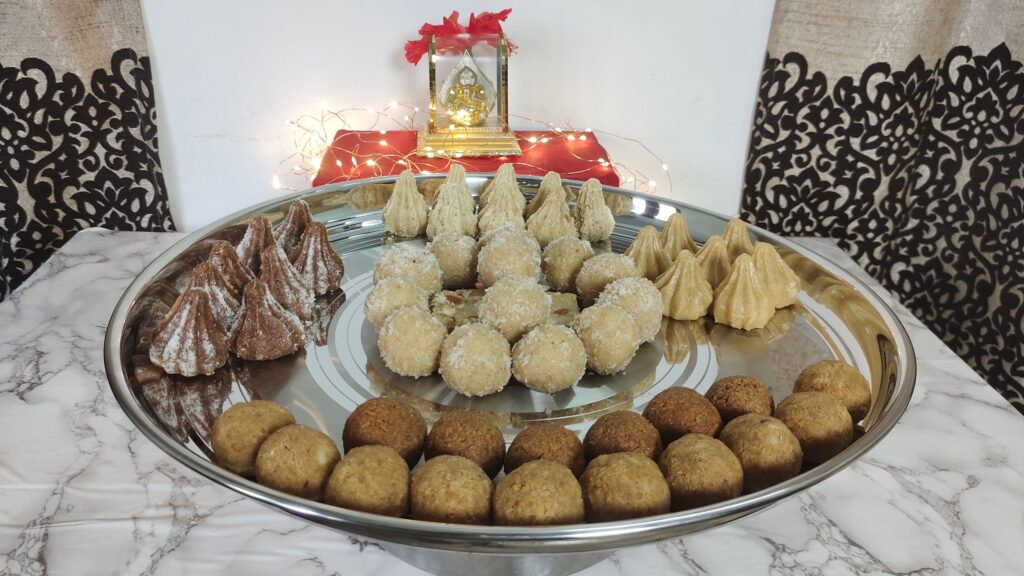
If you’re searching for jaggery energy balls that come together faster than you can preheat an oven, you’re in the right place. These no-bake energy balls use jaggery instead of refined sugar or corn syrup, so you get natural sweetness, a mineral boost, and a snack that’s ready in under 10 minutes flat. Whether you need a pre-workout bite, a lunchbox filler for the kids, or something to keep at your desk for the 4 PM slump, this recipe delivers.
Unlike most “energy ball” recipes floating around the internet that lean on honey or maple syrup (both fine, but not exactly Indian-pantry staples), this version is built around jaggery — the sweetener Indian households have trusted for generations. It binds the mixture beautifully, adds a warm, caramel-like depth, and comes with trace minerals like iron and magnesium that refined sugar simply doesn’t offer.
Why Jaggery Energy Balls Are the Snack You Need
Energy balls became popular for a simple reason: they pack carbs, fat, and protein into one bite-sized package, with no cooking required. Making jaggery energy balls specifically has an added advantage — jaggery is unrefined, so it retains iron, potassium, and small amounts of B vitamins that get stripped out of white sugar during processing. For anyone managing energy dips through the day, that’s a meaningful difference over a plain sugar-and-nut bar.
These healthy energy balls are also naturally gluten-free (as long as your oats are certified gluten-free) and can be made vegan by swapping ghee for coconut oil. That flexibility is part of why this recipe has become a staple in so many Indian kitchens looking for a quick, wholesome snack.
Ingredients for No-Bake Jaggery Energy Balls
This recipe makes roughly 14-16 balls. You likely have most of this in your pantry already.
- 1 cup rolled oats
- 3/4 cup grated or powdered jaggery powder
- 1/2 cup roasted peanuts or almonds, roughly chopped
- 1/4 cup desiccated coconut (plus extra for rolling)
- 2 tbsp chia seeds or flaxseeds
- 2 tbsp ghee or melted coconut oil
- 2-3 tbsp warm water or milk (as needed to bind)
- 1/2 tsp cardamom powder
- A pinch of salt
Using a fine jaggery powder rather than a hard block makes this a genuinely 10-minute recipe — there’s no melting or chopping required, which is one of the easiest ways to shortcut prep time on no bake energy balls.
How to Make Jaggery Energy Balls in 10 Minutes
- Toast the oats. Dry roast the rolled oats in a pan on low heat for 2-3 minutes until lightly golden and fragrant. Let them cool slightly.
- Pulse the base. In a food processor (or a large mixing bowl), combine the toasted oats, chopped nuts, jaggery powder, coconut, chia seeds, cardamom, and salt. Pulse a few times or mix well by hand.
- Add the binder. Pour in the ghee or coconut oil and mix thoroughly. Add warm water or milk, one tablespoon at a time, until the mixture holds together when pressed.
- Roll into balls. Scoop roughly a tablespoon of the mixture and roll between your palms into a smooth ball. Repeat with the rest.
- Coat and chill. Roll each ball in extra desiccated coconut for a finished look, then refrigerate for at least 20 minutes to firm up.
That’s it — five simple steps and your jaggery energy balls are ready to eat, pack, or freeze.
Healthy Energy Balls: Nutrition at a Glance
Here’s an approximate breakdown per ball (based on a 15-ball batch), so you know exactly what you’re snacking on.
| Nutrient | Approx. per ball |
|---|---|
| Calories | 65-75 kcal |
| Carbohydrates | 8 g |
| Protein | 2 g |
| Fat | 3 g |
| Fibre | 1.5 g |
| Added sugar | 0 g (jaggery only) |
Because jaggery has a lower glycemic impact than refined white sugar and is consumed in small quantities here, these energy balls make a far steadier snack option than a chocolate bar or bakery cookie.
5 Flavour Variations to Try
Once you’ve nailed the base jaggery energy balls recipe, these are our favourite twists:
- Chocolate-jaggery: Add 2 tbsp cocoa powder and a spoon of jaggery-chocolate spirit by mixing in a tablespoon of jaggery chocolate spread.
- Date and jaggery: Replace half the jaggery with finely chopped dates for extra chew and fibre.
- Ginger-jaggery: Add 1/2 tsp dried ginger powder for a warming, digestive twist — popular in winter.
- Seed-loaded: Double up on chia, flax, and sunflower seeds for an omega-3 boost.
- Coconut-jaggery cubes: Swap the powder for finely crushed jaggery cubes and extra desiccated coconut for a South Indian-inspired flavour.
Storage Tips: How Long Do They Last?
Store your jaggery energy balls in an airtight container in the refrigerator for up to 10 days. They also freeze well — lay them on a tray until solid, then transfer to a freezer bag for up to 2 months. Pull out a few the night before to thaw in the fridge, and they’re ready for lunchboxes or your gym bag by morning.
Why Jaggery Beats Refined Sugar in Energy Balls
Refined sugar is stripped of everything except sucrose. Jaggery, by contrast, retains molasses, so you get trace iron, calcium, and potassium along with the sweetness. That’s a genuine nutritional edge for a snack you might eat daily. It also brings a rounder, caramel-forward flavour that pairs better with oats, nuts, and cardamom than the flat sweetness of white sugar — one more reason jaggery energy balls have become the go-to no bake energy balls recipe in so many health-conscious Indian kitchens this year.
Frequently Asked Questions
Can I make jaggery energy balls without a food processor?
Yes. A large mixing bowl and a sturdy spoon work fine — just make sure the jaggery powder is fine enough to blend in without lumps.
How many jaggery energy balls should I eat in a day?
2-3 balls make a satisfying snack. Since they’re calorie-dense, they work best as a between-meal bite rather than a full meal replacement.
Can diabetics eat jaggery energy balls?
In moderation, yes, though anyone managing blood sugar should consult their doctor first. Jaggery still raises blood sugar, just somewhat more gradually than refined sugar — portion control matters either way.
What can I use instead of jaggery powder?
Grated jaggery block works too, though it takes a little longer to mix in evenly. Powder is the fastest option for true no bake energy balls.
Are these healthy energy balls suitable for kids’ lunchboxes?
Absolutely — they’re a popular swap for packaged granola bars. Just watch for nut allergies and adjust the nut content accordingly.
Can I make these jaggery energy balls vegan?
Yes, simply use coconut oil instead of ghee. Everything else in the recipe is already plant-based.
Why did my energy balls turn out too dry or crumbly?
Add warm water or milk one tablespoon at a time until the mixture holds together when pressed — different jaggery powders absorb moisture slightly differently, so it’s normal to need a little more or less liquid.
About the Author: Aakash Chaudhary is the founder of Biotag — Natural Sweeteners, working with traditional jaggery makers and small-batch farmers across India to bring lab-tested, additive-free natural sweeteners to modern Indian households.