
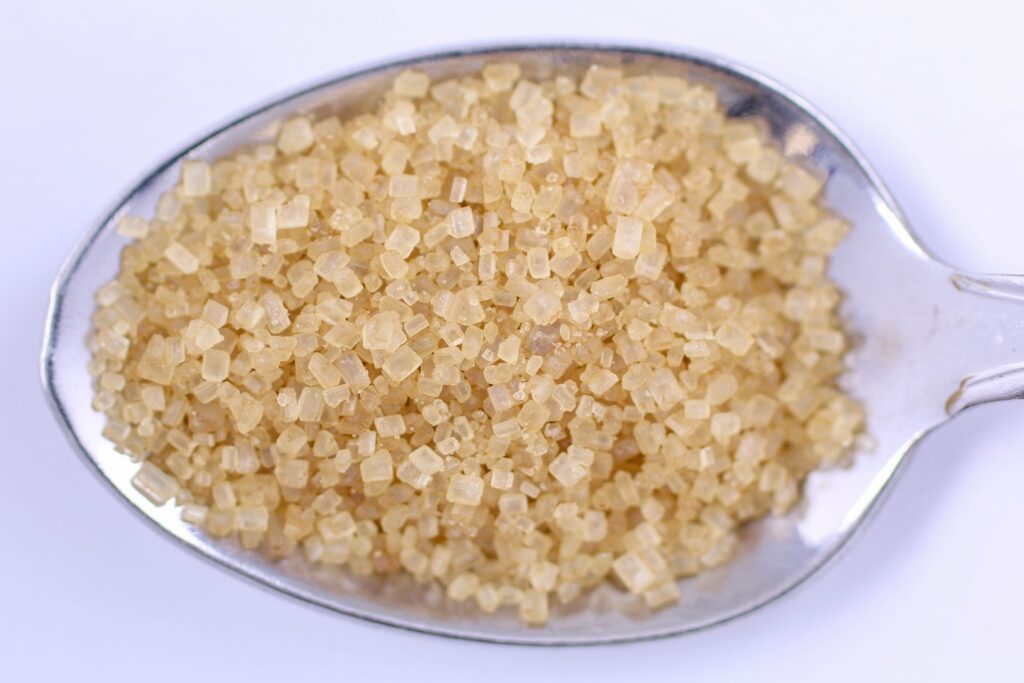
Picking a natural sweetener for baking is not as simple as swapping one jar for another. Sugar in a cake or cookie does far more than sweeten: it traps air, holds moisture, browns the crust and decides whether your biscuits spread thin or stay thick. Choose the wrong replacement and you get a dense sponge, a soggy brownie or cookies that burn before they set. This guide walks you through how each natural sweetener for baking actually behaves in the oven, which one suits which bake, and the exact conversions Indian home bakers need to get it right the first time.
What Sugar Really Does in Baking
Before you pick a baking sweetener, it helps to understand the five jobs white sugar quietly performs in most recipes:
- Sweetness – the obvious one, but only part of the story.
- Aeration – when you cream butter and sugar, the sharp crystals cut tiny air pockets into the fat. Those pockets expand in the oven and give cakes their lift.
- Moisture retention – sugar attracts and holds water, which keeps baked goods soft for days.
- Browning – caramelisation and the Maillard reaction create colour and that toasty, bakery aroma.
- Structure and spread – sugar delays gluten and egg proteins from setting, which controls texture and how far a cookie dough spreads.
Every natural sweetener for baking does some of these jobs well and some poorly. Granulated sweeteners such as jaggery powder and khaandsari cover most of them. Liquid sweeteners like honey and date syrup add moisture and colour but cannot cream air into butter. Zero-calorie blends deliver sweetness but almost no browning or bulk. Once you know this, choosing becomes logical rather than trial and error.
The Best Natural Sweetener for Baking: A Side-by-Side Comparison
Here is how each common natural sweetener for baking stacks up for Indian kitchens. Use it as a quick reference whenever you adapt a recipe.
| Sweetener | Form | Flavour | Browning | Best for | Swap for 1 cup white sugar |
|---|---|---|---|---|---|
| Jaggery powder | Granular | Caramel, toffee | Strong | Cookies, brownies, banana bread, spice cakes | 1 cup (same weight) |
| Khaandsari | Granular, light | Clean, mild | Moderate | Vanilla sponges, shortbread, meringue-style bakes | 1 cup (same weight) |
| Date syrup | Liquid | Fruity, deep | Very strong | Muffins, granola bars, glazes | 2/3 cup, reduce liquid by 1/4 cup |
| Natural honey | Liquid | Floral | Very strong | Quick breads, glazes, flapjacks | 3/4 cup, reduce liquid by 1/4 cup |
| Monk fruit blend | Granular | Neutral, slight aftertaste | Weak | Low-sugar cheesecakes, custards | Follow pack ratio |
For most home bakers making cookies, cakes and loaves, a granulated natural sweetener for baking is the safest starting point because it behaves closest to the sugar your recipe was written for.
Jaggery Baking: Why Jaggery Powder Is the Home Baker’s Workhorse
If you only stock one natural sweetener for baking, make it jaggery powder. Our Biotag jaggery powder is free-flowing, dissolves quickly in batter and swaps 1:1 by weight for white or brown sugar. That last point matters: you do not need to rework the entire recipe.
Jaggery baking brings a few advantages refined sugar cannot match:
- Built-in flavour. Jaggery tastes of caramel and toffee, similar to dark brown sugar, so chocolate, banana, ginger, cinnamon and cardamom bakes taste richer without extra ingredients.
- Moist crumb. Because jaggery retains some natural molasses and moisture, cakes and cookies stay soft for longer.
- Beautiful colour. It browns readily, giving a deep golden crust.
- Trace minerals. Unlike refined sugar, jaggery keeps small amounts of iron, potassium and magnesium from the cane juice. It is still a sugar, so moderation matters, but it is a less processed one.
Jaggery baking does need a couple of adjustments. Jaggery is slightly acidic, so it reacts well with baking soda; if a recipe relies only on baking powder, adding a pinch (about 1/4 teaspoon) of soda per cup of jaggery helps the rise. Expect a darker, denser crumb than white sugar would give. If you want to see it in action, our jaggery chocolate chip cookies are a foolproof first project.
Wondering whether powder or block jaggery works better? For baking, powder wins every time, because grating blocks is slow and leaves uneven lumps that melt into sticky pockets. We explain the difference in detail in our guide on jaggery powder vs blocks.
Khaandsari: The Closest Swap for Light, Delicate Bakes
Some recipes, such as a classic vanilla sponge, shortbread or a pale butter cake, rely on a neutral sweetness and a light colour. Jaggery’s caramel notes and dark tone would change these bakes completely. This is where khaandsari shines.
As a natural sweetener for baking, khaandsari is a traditional unrefined cane sugar made in India long before modern refineries existed. It is lighter in colour and milder in taste than jaggery, and its crystals cream into butter almost exactly like white sugar. That makes it the best baking sweetener when you want the result to look and taste like the original recipe, just made with a less processed ingredient.
Use it 1:1 by weight. You may notice a faintly warmer flavour and a slightly golden crumb, which most people find pleasant.
Baking With Liquid Sweeteners: Date Syrup and Honey
As a natural sweetener for baking, liquid options are wonderful in muffins, quick breads, granola bars and glazes, but they behave differently from crystals. Follow these rules whenever you use a liquid natural sweetener for baking:
- Use less. Date syrup and honey taste sweeter than sugar by volume. Start with about 2/3 to 3/4 cup per cup of sugar.
- Cut other liquids. Reduce milk, water or curd by roughly 1/4 cup for every cup of liquid sweetener.
- Lower the oven. Liquid sweeteners brown fast. Drop the temperature by 10-15°C and check early.
- Add a pinch of soda. Both are mildly acidic; about 1/4 teaspoon baking soda per cup keeps the crumb tender.
- Do not use them for creaming. Recipes that depend on creamed butter for lift will turn out flat. Stick to melted-butter or oil-based batters.
Biotag date syrup is made from dates alone and has a deep, almost chocolatey fruitiness, making it ideal for brownies, oat bars and spiced muffins. Natural honey suits lighter loaves and flapjacks, though many Indian families prefer to use honey in no-bake or low-heat recipes, in line with the traditional Ayurvedic advice against cooking it at high heat.
Monk Fruit Blend: A Low-Calorie Baking Sweetener With Limits
If you are cutting calories or managing blood sugar, the natural sweetener for baking to try is a monk fruit blend can replace much of the sugar in recipes where sweetness is the main job. It works well in cheesecakes, custards, kheer-style puddings and lightly sweetened muffins.
Be realistic about what it cannot do. Monk fruit does not caramelise, so bakes stay pale. It also provides very little moisture-holding power, which means cakes can dry out faster. A practical approach is to replace half the sugar with monk fruit blend and keep the other half as jaggery powder or khaandsari. You keep the browning and texture while cutting the sugar load significantly. For a clearer picture of how different sweeteners affect blood sugar, see our glycemic index chart of Indian sweeteners.
Choosing a Natural Sweetener for Baking by Recipe Type
Still unsure? Match the natural sweetener for baking to what you are making:
- Chocolate chip cookies, brownies, banana bread: jaggery powder. Its caramel depth makes these taste bakery-made.
- Vanilla sponge, cupcakes, nankhatai, shortbread: khaandsari, for a light colour and clean taste.
- Muffins, oat bars, granola: date syrup, with the liquid adjustments above.
- Christmas plum cake, gingerbread, atta cake: jaggery powder, which pairs naturally with dry fruit and warm spices.
- Cheesecake, custard, low-sugar bakes: monk fruit blend, ideally mixed with a little jaggery for colour.
- Glazes and drizzles: honey or date syrup thinned with a little warm milk.
Practical Tips for Using a Natural Sweetener for Baking
- Weigh, do not scoop. Jaggery powder and khaandsari pack differently from white sugar. A kitchen scale costing ₹300-₹500 removes guesswork.
- Sift jaggery powder. In humid months it can clump. A quick sieve before creaming ensures even sweetness.
- Store airtight. Jaggery absorbs moisture from the air, especially during the monsoon. Keep it in a sealed jar away from the stove.
- Tent with foil. Because natural sweeteners brown faster, cover cakes loosely with foil for the last 10-15 minutes if the top darkens too quickly.
- Swap gradually. When switching to a natural sweetener for baking, if your family is used to very sweet bakes, start by replacing half the sugar, then move to a full swap once palates adjust.
- Chill cookie dough. Jaggery dough is softer; 30 minutes in the fridge keeps cookies thick and chewy.
Frequently Asked Questions
What is the best natural sweetener for baking cakes?
For light cakes and sponges, khaandsari is the best natural sweetener for baking because it creams like white sugar and keeps a pale crumb. For darker cakes such as chocolate, banana or spice cakes, jaggery powder gives better flavour and moisture.
Can I replace sugar with jaggery powder 1:1 in baking?
Yes. Jaggery powder can replace white or brown sugar 1:1 by weight. Expect a darker colour and caramel flavour, and add about 1/4 teaspoon of baking soda per cup if the recipe uses only baking powder.
Does jaggery baking make cakes dense?
Jaggery baking can produce a slightly denser, moister crumb than white sugar. Creaming the butter and jaggery thoroughly, sifting the powder and adding a pinch of baking soda all help keep the texture light.
Is honey or date syrup better as a baking sweetener?
Both work well in muffins and quick breads. Date syrup has a deeper, fruity flavour and suits chocolate and spiced bakes, while honey is lighter and floral. Use slightly less than the sugar called for and reduce other liquids by about 1/4 cup per cup.
Can diabetics eat cakes made with natural sweeteners?
Jaggery, khaandsari, honey and date syrup are still sugars and raise blood glucose. People with diabetes should limit portions and speak to their doctor. A monk fruit blend combined with a small amount of jaggery is a better option for lower-sugar bakes.
Why do my cookies burn when I use natural sweeteners?
Any natural sweetener for baking, especially a liquid one, browns faster than white sugar. Lower the oven temperature by 10-15°C, bake on the middle rack and start checking a few minutes before the recipe’s suggested time.
Final Thoughts
There is no single perfect natural sweetener for baking, only the right one for each recipe. Jaggery powder is the versatile everyday choice, khaandsari handles delicate bakes, date syrup and honey bring moisture to muffins and loaves, and monk fruit blend helps when you want to cut sugar further. Start with one favourite recipe, make one swap, and adjust from there. Within a few bakes, cooking without refined sugar will feel completely natural.
About the Author: Aakash Chaudhary is the founder of Biotag – Natural Sweeteners, working with traditional jaggery makers and small-batch farmers across India to bring lab-tested, additive-free natural sweeteners to modern Indian households.