
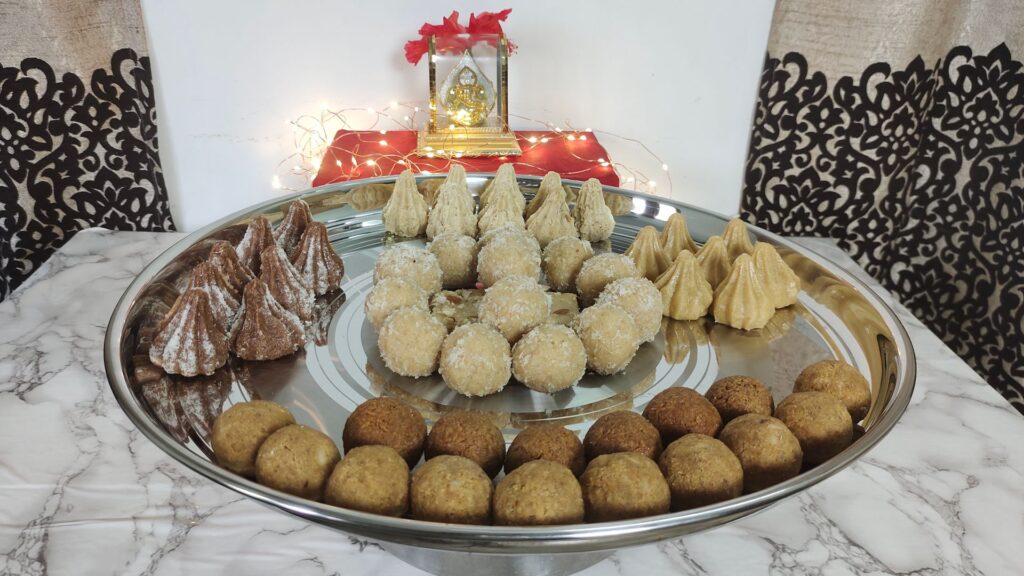
Jaggery is a traditional, unrefined sweetener made by boiling down the juice of sugarcane or the sap of palm trees (date, coconut, or palmyra palms) until it solidifies. Known as gur in Hindi, vellam in Tamil, and bellam in Telugu, it has been the primary sweetener in Indian households for over 3,000 years — long before refined white sugar arrived on the scene.
Unlike refined sugar, which is industrially processed and stripped of nearly every nutrient, jaggery retains the natural minerals, vitamins, and antioxidants present in the original plant source. That single difference — minimal processing — is why jaggery has stayed relevant in Indian kitchens, Ayurvedic medicine, and modern health-conscious diets.
This guide answers the most common questions about jaggery: what it actually is, how it’s made, the different types you’ll find in India, how it compares nutritionally to sugar, and how to use it in your everyday cooking.
What Exactly is Jaggery?
Jaggery is a concentrated, solid (or semi-solid) form of unrefined cane or palm sugar. It typically comes in one of three forms:
- Solid blocks — Traditional jaggery, made by pouring the hot, concentrated syrup into moulds where it cools and hardens. Most authentic and longest-lasting form.
- Powder — Ground jaggery, designed to dissolve faster and measure more easily. Best for baking, daily cooking, and tea.
- Liquid syrup — Jaggery boiled to a thinner consistency for pourable use in desserts, smoothies, and beverages.
The colour ranges from light golden to dark brown, depending on the source plant and how long it’s been boiled. Generally: lighter jaggery is younger and more delicate in flavour; darker jaggery is more concentrated, mineral-rich, and intense.
Critically, real jaggery contains no added chemicals, no bleaching agents, no preservatives, and no artificial colours. If a jaggery product claims to be “pure” but is bright yellow or unnaturally uniform, it’s likely been adulterated — something to watch for when buying.
How is Jaggery Made?
The traditional process is remarkably simple, which is part of why jaggery is so nutritionally complete. Here’s the typical journey from farm to finished product:
- Harvesting: Sugarcane stalks (or palm sap) are harvested at peak ripeness, usually between November and March in India.
- Crushing: The cane is crushed in a traditional mill (or modern equivalent) to extract the raw juice.
- Filtering: The juice is strained to remove solid debris — usually through cotton cloths.
- Boiling: The juice is transferred to large open pans (called kadhai) and boiled over wood fire for 2–4 hours. During this stage, impurities rise to the surface and are skimmed off.
- Concentrating: Continuous boiling reduces the juice into a thick, golden-brown syrup.
- Setting: The hot syrup is poured into moulds (for blocks), spread to cool (for powder), or kept thinner (for liquid syrup).
- Cooling and packing: Once set and cooled, the jaggery is removed from moulds, broken into pieces, and packaged.
The entire process uses only heat and time — no chemicals, no bleach, no centrifuges. Compare this to refined white sugar, which involves sulphur dioxide bleaching, phosphoric acid treatment, lime addition, and bone char filtration. The difference in processing is exactly why jaggery retains nutrients that sugar loses.
Types of Jaggery in India
Not all jaggery is the same. The source plant dramatically affects the flavour, colour, and nutritional profile:
1. Sugarcane Jaggery (Ganne ka Gur)
The most common type across North and Central India. Made from sugarcane juice, it has a warm, caramel-like sweetness and ranges from golden yellow to dark brown. Available as jaggery powder for everyday use and as solid jaggery cubes for traditional cooking.
2. Palm Jaggery (Karupatti / Taal Gur)
Made from the sap of palmyra or date palms. Considered a premium variety, palm jaggery has a richer, smokier flavour and a lower glycemic index than sugarcane jaggery — making it a preferred choice for diabetics and the health-conscious.
3. Date Palm Jaggery (Nolen Gur / Patali Gur)
A gourmet jaggery made from date palm sap, especially popular in West Bengal during winter. Used in traditional Bengali sweets like sandesh and rasgulla. Rare, seasonal, and prized for its complex flavour.
4. Coconut Jaggery
Made from the sap of coconut palms. Has a mild, earthy sweetness and is widely used in Kerala and Tamil Nadu cooking.
Jaggery vs Refined Sugar: The Real Difference
The nutritional gap between jaggery and refined sugar is significant. Here’s what 100g of each typically contains:
| Nutrient | Jaggery (100g) | White Sugar (100g) |
|---|---|---|
| Calories | 383 kcal | 387 kcal |
| Iron | ~11 mg | 0 mg |
| Potassium | ~330 mg | ~2 mg |
| Magnesium | ~70-90 mg | 0 mg |
| Calcium | ~80 mg | ~1 mg |
| Antioxidants | Present (phenolics) | None |
While both contain similar calories — and both should be consumed in moderation — jaggery delivers iron, potassium, magnesium, calcium, and trace antioxidants that white sugar simply does not.
That said, it’s worth being honest: jaggery is still a sweetener. It’s not a “free food.” Diabetics and those managing blood sugar should consume it carefully and ideally choose the lower-GI palm jaggery varieties.
Why People Are Switching Back to Jaggery
Beyond the nutrient profile, jaggery is valued for several traditional uses backed by emerging modern research:
- Aids digestion — Traditionally eaten after meals to stimulate digestive enzymes. Modern research supports its role in stomach acid balance.
- Iron source — A traditional remedy for low haemoglobin, especially among Indian women. The iron content is meaningful enough to be relevant.
- Cleansing properties — Ayurveda credits jaggery with helping detoxify the liver and respiratory system.
- Energy release — Releases energy more slowly than white sugar due to its molasses content, reducing the typical sugar crash.
- Less inflammatory — Refined sugar is strongly linked to chronic inflammation; unrefined sweeteners like jaggery have a much lower inflammatory load.
How to Use Jaggery in Everyday Cooking
Jaggery is wonderfully versatile. Some of the most common uses:
- Tea and coffee — Add jaggery cubes directly to hot beverages for a perfect 1:1 sugar replacement.
- Indian desserts — Essential in halwa, laddu, chikki, kheer, payasam, and til ke ladoo.
- Baking — Jaggery powder substitutes 1:1 for brown sugar in cakes, cookies, and breads.
- Pancakes and desserts — Date syrup works as a natural alternative to maple syrup or honey.
- Marinades and sauces — Adds depth to BBQ sauces, glazes, and Asian-style stir-fries.
- Smoothies — Dissolves easily as a natural sweetener for breakfast drinks.
- Lemon water — A traditional Indian pick-me-up: warm water + lemon + a teaspoon of jaggery.
How to Choose Good Quality Jaggery
Indian markets are filled with adulterated jaggery — some contain added sugar, washing soda, bleaching agents, or artificial yellow colour. Here’s how to spot the real thing:
- Colour: Authentic jaggery is dark brown to golden brown — not bright yellow. A bright yellow appearance usually signals chemical bleaching.
- Texture: Should be slightly crumbly, not glassy-hard or sticky-soft.
- Taste: Should be complex — caramel, mineral, slightly earthy. Pure white sweetness with no depth means adulteration.
- Dissolves cleanly: Dissolve a piece in water — pure jaggery dissolves leaving minimal sediment.
- Lab certified: Trusted brands publish third-party lab test reports. Always buy from sources that disclose their testing.
Frequently Asked Questions About Jaggery
Is jaggery healthier than sugar?
Yes, nutritionally. Jaggery retains iron, potassium, magnesium, calcium, and antioxidants that white sugar loses during refining. However, jaggery still contains sucrose and should be consumed in moderation — it’s not calorie-free or sugar-free.
Can diabetics eat jaggery?
In small, controlled quantities — yes, but with caution. Sugarcane jaggery has a glycemic index of around 84, which is high. Palm jaggery has a lower GI of around 40–41, making it a better choice for diabetics. Always consult your doctor before switching sweeteners.
How is jaggery different from brown sugar?
Brown sugar is refined white sugar with molasses added back — so it’s still industrially processed. Jaggery is unrefined from the start. Brown sugar lacks the mineral profile of jaggery.
How long does jaggery last?
Properly stored in an airtight container in a cool, dry place, jaggery lasts 12 months or longer. Jaggery powder lasts 6–9 months. Liquid jaggery should be refrigerated and consumed within 3 months.
Why does my jaggery taste salty?
A slightly salty undertone is natural in pure jaggery — it comes from the trace minerals (potassium, sodium, magnesium). If it tastes overwhelmingly salty, the jaggery may have been over-boiled or contain adulterants.
Is jaggery vegan?
Yes. Traditional jaggery contains no animal products. (Note: refined white sugar is sometimes processed using bone char filtration, which is why some vegans prefer unrefined sweeteners like jaggery.)
Can children eat jaggery?
Yes — jaggery is generally safe for children over 1 year old, and is often used in traditional Indian children’s foods. As with any sweetener, moderation matters.
The Bottom Line
Jaggery isn’t a miracle food — it’s still a sweetener and should be consumed mindfully. But compared to refined white sugar, it’s a meaningfully better choice: more nutrients, less processing, no chemicals, lower environmental impact, and a connection to thousands of years of Indian culinary tradition.
For everyday cooking, baking, and adding to tea, switching from refined sugar to jaggery powder or jaggery cubes is one of the easiest, highest-impact swaps you can make for your health. For diabetics, lower-GI palm jaggery is the safer choice.
At Biotag, every batch of our jaggery is sourced directly from traditional farmers, lab-tested for purity, and packaged with full transparency — because the original sweetener deserves to be made the original way.
About the Author: Aakash Chaudhary is the founder of Biotag - Natural Sweeteners, working with traditional jaggery makers and small-batch farmers across India to bring lab-tested, additive-free natural sweeteners to modern Indian households.