
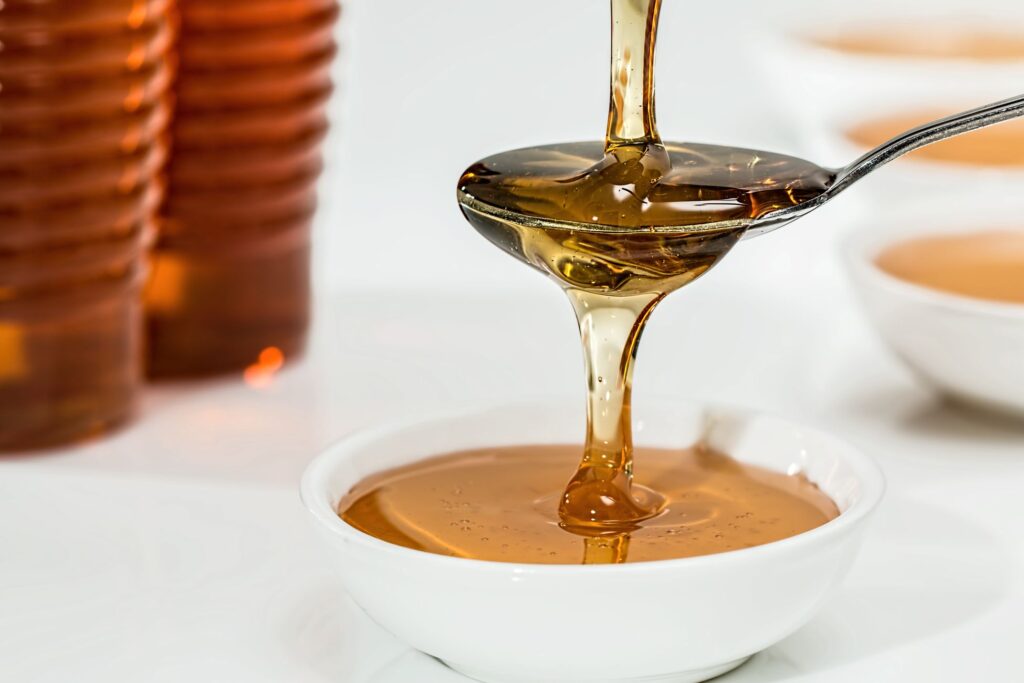
If you have diabetes — or you’re cooking for someone who does — the question comes up sooner or later: is jaggery for diabetes actually safe, or is it just sugar wearing a healthier costume? It’s a fair question. Jaggery is marketed as “natural” and “unrefined,” and in Indian households it’s often treated as the gentler cousin of white sugar. But gentler doesn’t always mean safe, especially when blood sugar is involved. In this guide, we’ll look at what the actual research says about jaggery and diabetes, how it compares to refined sugar and other natural sweeteners, and what a diabetic who still wants a touch of gur in their chai should realistically do.
Jaggery for Diabetes: What It Is and Why It Matters
Jaggery, or gur, is unrefined sugar made by boiling down sugarcane juice or palm sap until it solidifies. Unlike white sugar, it retains molasses, along with small amounts of iron, magnesium, potassium and B-vitamins. This is exactly why jaggery has a reputation as a “healthier” sweetener — it isn’t stripped down to pure sucrose the way refined sugar is.
But here’s the catch for anyone managing diabetes: jaggery is still mostly sucrose, typically 65-85% by weight. The micronutrients are real, but they exist in quantities too small to meaningfully change how your body processes the sugar itself. So while jaggery diabetic safe claims aren’t entirely false, they’re often oversimplified. The nutrients are a bonus, not a blood-sugar-blocking shield.
How Jaggery Affects Blood Sugar: The Glycemic Index Story
The glycemic index (GI) measures how quickly a food raises blood glucose on a scale of 0-100. White sugar sits around 65, and jaggery typically falls somewhere between 70 and 84 depending on the source and processing method — which, surprisingly, can place it at the same level or even higher than refined sugar in some samples.
This is the single biggest misconception about jaggery for diabetes: that “natural” automatically means “low GI.” It doesn’t. Jaggery’s glycemic load depends heavily on how it was made — open-pan boiled jaggery, palm jaggery, and commercially processed blocks all test differently. If you want to see how a related natural sweetener performs on this exact metric, our deep dive into coconut sugar’s glycemic index is a useful comparison point, since coconut sugar tends to score lower (around 35-54) than traditional cane jaggery.
Jaggery vs Refined Sugar: Is There Really a Difference for Diabetics?
From a pure blood-sugar-spike perspective, jaggery and white sugar behave more similarly than most people assume. Both are absorbed quickly and can cause a sharp rise in blood glucose. The differences that do matter are smaller and slower-acting:
- Micronutrients: Jaggery carries trace iron, potassium and magnesium that white sugar lacks entirely.
- Fiber and molasses content: A small amount of fiber-like material can marginally slow absorption, though not enough to offset a large serving.
- Processing chemicals: Some commercial white sugar undergoes sulphur treatment; good quality jaggery typically does not, which matters for overall food quality, if not directly for glucose control.
- Portion behavior: Because jaggery has a stronger, more distinct flavor, people often use less of it per serving than they would white sugar — which can indirectly help with total sugar intake.
If you want the full side-by-side breakdown of these two sweeteners beyond just the diabetes angle, we’ve covered it extensively in 10 Proven Health Benefits of Jaggery.
What the Research Actually Says
Clinical research on jaggery and diabetes specifically is still limited compared to studies on refined sugar or low-GI sweeteners, but a few patterns are consistent across the available studies:
| Finding | What It Means for Diabetics |
|---|---|
| Jaggery’s GI varies widely (70-84+) | Cannot be assumed “safe” purely because it’s unrefined |
| Contains trace minerals absent in white sugar | Minor nutritional upside, not a glucose-control benefit |
| Same caloric and carbohydrate load as sugar per gram | Portion control matters exactly as much as with white sugar |
| Some studies show slightly slower glucose release vs. refined sugar | A modest, not dramatic, advantage in select samples |
The honest takeaway: jaggery is not a diabetes-friendly sweetener in the way that stevia or monk fruit are. It’s a marginally less processed version of sugar, and for most people with diabetes, that distinction is too small to build a daily habit around.
Safer Alternatives: Palm Jaggery, Coconut Sugar and Stevia Blends
If you’re looking for a genuine diabetes natural sweetener swap rather than a marginal improvement, a few options are worth considering:
- Palm jaggery — Our date palm jaggery tends to have a somewhat lower and steadier glycemic response than cane jaggery for many users, while still offering the traditional gur flavor profile. It’s a reasonable middle-ground swap if you want to stay close to a familiar taste.
- Coconut sugar — Our date palm jaggery generally tests with a meaningfully lower GI than cane jaggery and contains inulin, a fiber that can modestly slow glucose absorption. It’s one of the more practical “natural” swaps for diabetics who still want a less processed product than white sugar.
- Stevia blend — For situations where you genuinely cannot afford a blood sugar spike — tea, coffee, daily cooking — our monk fruit blend has essentially zero impact on blood glucose, since stevia itself is non-caloric and doesn’t raise insulin demand.
For a broader comparison of how these and other options stack up, see our guide to natural sweeteners compared: jaggery, coconut sugar, stevia and honey.
How Much Jaggery Can a Diabetic Safely Eat?
There’s no single number that applies to everyone — it depends on your current blood sugar control, medication, and overall diet. That said, a few general principles tend to hold up:
- Treat it as a treat, not a staple. A teaspoon (around 5g) occasionally, rather than tablespoons daily, keeps the impact manageable for most people with reasonably controlled diabetes.
- Pair it with fiber, fat or protein. Eating jaggery alongside a meal — rather than alone, in chai on an empty stomach — slows the glucose spike.
- Monitor your own response. A glucometer reading 1-2 hours after eating jaggery will tell you more about your personal tolerance than any general guideline.
- Always check with your doctor or diabetologist before making jaggery a regular part of your diet, especially if you’re on insulin or sulfonylureas, where even modest spikes carry more risk.
Practical Tips for Diabetics Who Want to Use Jaggery
If you’re not ready to give up jaggery entirely, here’s how to use it more responsibly:
- Use it sparingly in cooking — a pinch in dal or sabzi adds flavor without a large dose.
- Choose minimally processed, additive-free jaggery rather than heavily refined commercial blocks, since quality and purity vary widely across brands.
- Avoid jaggery-based sweets and desserts, which concentrate sugar far more than a pinch in savory cooking.
- Consider rotating in coconut sugar or a stevia blend for daily tea and coffee, reserving jaggery for occasional festive cooking.
- Track your HbA1c every 3 months if you’re experimenting with dietary changes, so you have objective feedback rather than guesswork.
When to Avoid Jaggery Completely
There are situations where jaggery for diabetes isn’t a “use in moderation” conversation — it’s a “skip it” conversation:
- If your HbA1c is poorly controlled (above 8%) or you’ve had recent hypoglycemia/hyperglycemia episodes.
- If you’re on a tightly calibrated insulin regimen where unpredictable carb sources create dosing risk.
- During pregnancy with gestational diabetes, where even small spikes warrant extra caution.
- If you’ve been specifically advised by your doctor to eliminate all simple sugars, including jaggery.
In these cases, a non-nutritive option like stevia is a far safer choice than any form of jaggery, however “natural” it’s marketed to be.
Frequently Asked Questions
Is jaggery better than sugar for diabetics?
Marginally, in terms of micronutrient content, but not significantly in terms of blood sugar impact. Jaggery for diabetes should be approached with the same caution as white sugar — small amounts, occasionally, not as a daily sweetener.
Can a Type 2 diabetic eat jaggery daily?
Most diabetologists recommend against daily jaggery consumption for Type 2 diabetics, given its high glycemic index. Occasional, small, monitored servings are generally considered more reasonable than daily use.
Does palm jaggery have a lower glycemic index than regular jaggery?
Many samples of palm jaggery test lower than cane jaggery, though results vary by source and processing. It’s a reasonable swap to try, but individual glucose monitoring is still the best way to confirm your personal response.
Is coconut sugar safe for diabetics?
Coconut sugar generally has a lower glycemic index than cane jaggery and contains inulin fiber, making it a somewhat better option for many diabetics — though it still contains real sugar and should be used in moderation.
What is the best diabetes natural sweetener?
Stevia and monk fruit are considered the safest non-nutritive options since they don’t raise blood glucose at all. Among caloric natural sweeteners, coconut sugar and palm jaggery tend to perform better than cane jaggery on glycemic response.
How much jaggery is safe per day for diabetics?
There’s no universal number, but many diabetologists suggest limiting jaggery to occasional small amounts (around a teaspoon), rather than daily use, and always pairing it with meals rather than eating it alone.
Why is jaggery marketed as diabetic-friendly if it isn’t?
“Natural” and “unrefined” are often conflated with “low sugar impact,” which isn’t accurate. Jaggery retains nearly all the sucrose of white sugar — it’s simply less processed, not lower in glycemic effect.
About the Author: Aakash Chaudhary is the founder of Biotag - Natural Sweeteners, working with traditional jaggery makers and small-batch farmers across India to bring lab-tested, additive-free natural sweeteners to modern Indian households.