
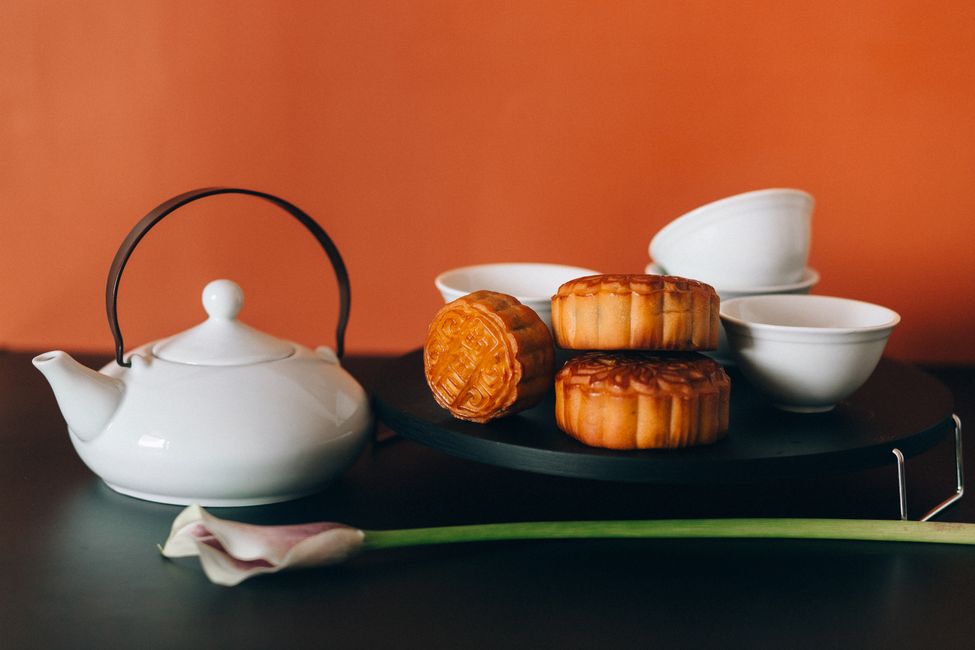
If you love the buttery, lightly sweet crust of a classic mooncake but wince at how much refined sugar goes into the filling, this jaggery mooncake recipe is for you. Swapping white sugar for jaggery keeps the Mid-Autumn Festival tradition intact while adding trace minerals, a deeper caramel flavour, and none of the cloying aftertaste that refined sugar leaves behind. It is a small change with a big payoff — and once you taste the difference, you may never go back to the original.
What Makes a Jaggery Mooncake Different
Traditional mooncakes rely on golden syrup and refined sugar for both sweetness and the glossy, tender crust that defines the treat. A jaggery mooncake replaces that refined sweetness with unrefined cane jaggery, which is minimally processed and retains iron, potassium, and small amounts of B vitamins that are stripped out of white sugar during refining. The result is a healthy mooncake that tastes richer — closer to caramel or brown butter — while still delivering the chewy, dense filling mooncakes are known for.
Why Swap Refined Sugar for Jaggery in Mooncakes
Three reasons make this swap worth the extra effort in the kitchen:
- Flavour depth — jaggery’s molasses notes complement the nutty lotus seed or red bean fillings used in most mooncakes far better than flat white sugar sweetness.
- Lower processing — jaggery is boiled and set with no chemical bleaching or refining agents, unlike commercial refined sugar.
- Better glycemic behaviour — jaggery releases sugars slightly more gradually than refined sugar, so a jaggery dessert like this one tends to spike blood sugar less sharply, though it is still a sweet treat and should be enjoyed in moderation.
Ingredients You’ll Need
This recipe makes 10-12 standard-sized mooncakes (using a 50g mould).
For the crust
- 200g all-purpose flour
- 65g melted ghee or neutral oil
- 90g jaggery powder, finely ground
- 1/4 tsp baking soda
- 2 tbsp water (adjust as needed)
For the filling
- 300g cooked and mashed red beans or lotus seed paste
- 60g jaggery powder
- 2 tbsp ghee
- A pinch of salt
- Salted egg yolks (optional, traditional touch)
Step-by-Step Jaggery Mooncake Recipe
- Dissolve the jaggery powder in warm water to make a thin syrup, then whisk in the ghee and baking soda until smooth.
- Fold the flour into the jaggery mixture gradually to form a soft, non-sticky dough. Rest it, covered, for 30-40 minutes.
- For the filling, cook the mashed beans or lotus paste with jaggery and ghee on low heat until it forms a thick, moldable paste that holds its shape. Cool completely.
- Divide the filling into 25-30g balls and the dough into smaller, thinner portions to wrap around each filling ball.
- Flatten the dough, wrap it around the filling, and roll it into a smooth ball, then dust with flour and press into a mooncake mould to imprint the pattern.
- Bake at 180°C for 5 minutes, brush lightly with an egg wash, cool for 10 minutes, then bake again at 160°C for 15-18 minutes until golden.
- Let the mooncakes rest for 1-2 days before serving — this is when the crust softens and the flavours meld, a process bakers call “hui you.”
Tips for Getting the Golden-Brown Crust Right
Because jaggery caramelises faster than refined sugar, keep an eye on the oven during the final bake — a jaggery mooncake crust can go from golden to overly dark in a couple of minutes. Using a finely ground jaggery powder rather than chunky blocks also helps the dough come together smoothly without gritty pockets. If your dough feels too soft to hold its shape, chill it for 10 minutes before moulding.
Filling Variations to Try
| Filling Base | Best Paired With | Flavour Notes |
|---|---|---|
| Red bean paste | Jaggery powder | Earthy, lightly nutty |
| Lotus seed paste | Jaggery powder + salted egg yolk | Classic, rounded sweetness |
| Roasted mixed nuts | Liquid jaggery syrup | Crunchy, caramel-forward |
| Coconut and jaggery | Jaggery powder | Tropical, chewy |
Storing and Serving Your Jaggery Mooncakes
A healthy mooncake batch keeps just as well as the traditional version. Store finished mooncakes in an airtight container at room temperature for up to 4-5 days, or refrigerate for up to two weeks. Bring refrigerated mooncakes back to room temperature before serving so the crust regains its soft texture. Pair slices with unsweetened green or oolong tea, which balances the jaggery’s caramel sweetness nicely — much like jaggery laddus are traditionally served alongside a warm drink.
Nutritional Comparison: Jaggery Mooncake vs Traditional Mooncake
| Aspect | Traditional Mooncake | Jaggery Mooncake |
|---|---|---|
| Sweetener | Refined sugar / golden syrup | Unrefined jaggery |
| Minerals | Negligible | Trace iron, potassium, magnesium |
| Flavour profile | Flat sweetness | Caramel, molasses depth |
| Processing | Refined, bleached | Minimally processed |
Making Jaggery Mooncakes Ahead for Festivals and Gifting
Traditional mooncakes are almost always made a few days before they are eaten, and jaggery mooncakes are no different. Resting gives the crust time to “return oil”, becoming soft, glossy and tender instead of dry. Plan your baking around this and your mooncakes will taste their best on the day you serve them.
- Day 1: make the filling and let it cool completely. A jaggery-based filling made with jaggery powder sets firmer than a sugar syrup filling, which makes it easier to portion and wrap.
- Day 2: prepare the dough, rest it for at least an hour, then shape, mould and bake.
- Days 3-4: store the cooled mooncakes in an airtight container at room temperature. The crust softens and the flavour of the jaggery deepens.
For gifting, wrap each mooncake individually in food-safe cellophane or parchment and place them in a box lined with tissue. A small card noting that they are sweetened with jaggery rather than refined sugar is a thoughtful touch, as many friends and family will appreciate a lighter festive sweet.
Festive Pairings and Serving Suggestions
Mooncakes are rich, so serve them in small wedges. They pair beautifully with unsweetened green tea, oolong or a light jasmine tea, which balance the sweetness of the jaggery. For an Indian festive spread, they sit comfortably alongside other jaggery sweets like til ladoo or gur para. If you are serving guests who are watching their sugar intake, cut each mooncake into six or eight pieces rather than four and offer them with fresh fruit. A small slice is enough to enjoy the flavour without overdoing it.
Frequently Asked Questions
Can I use liquid jaggery instead of jaggery powder in this recipe?
Yes, though you’ll need to reduce the added water slightly since liquid jaggery already contains moisture. Powder gives more consistent results for beginners.
Is a jaggery mooncake suitable for diabetics?
It is still a sweet, energy-dense treat, so portion control matters. Jaggery has a marginally gentler impact on blood sugar than refined sugar, but it should not be treated as a diabetic-friendly food.
Why does my dough crack when I mould it?
Cracking usually means the dough is too dry or was rested for too short a time. Add water a teaspoon at a time and rest the dough for the full 30-40 minutes before shaping.
How long do jaggery mooncakes last?
Up to 4-5 days at room temperature in an airtight container, or two weeks refrigerated.
Can I make this jaggery dessert without a mooncake mould?
Yes — shape the wrapped dough into a smooth ball by hand and lightly score a pattern on top with a knife before baking. The taste will be identical, just without the traditional imprint.
What’s the best jaggery to use for baking mooncakes?
A finely ground, additive-free jaggery powder works best since it dissolves evenly into the dough without leaving gritty bits, unlike coarser jaggery blocks.
Can I pair jaggery mooncakes with other festive jaggery treats?
Absolutely — if you’re planning a festival spread, dishes like healthy Diwali sweets made with jaggery or jaggery chocolate chip cookies make good companions on the same dessert table.
About the Author: Aakash Chaudhary is the founder of Biotag - Natural Sweeteners, working with traditional jaggery makers and small-batch farmers across India to bring lab-tested, additive-free natural sweeteners to modern Indian households.