
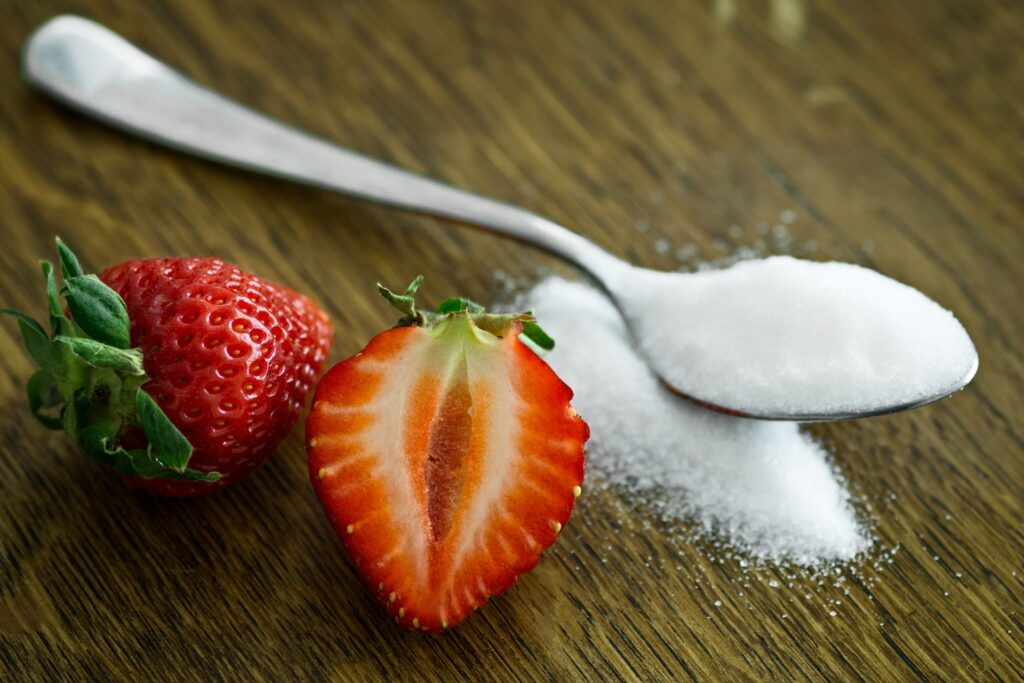
If you have decided to switch stevia from sugar, you are not alone. Lakhs of Indian households are quietly swapping out their sugar dabba for something gentler on blood glucose, and stevia is usually the first stop. But here is the catch nobody warns you about: quit sugar cold turkey and reach for stevia on day one, and most people find the taste “off,” the sweetness too intense in the wrong places, and the whole experiment abandoned by day five. A gradual, structured switch works far better than an overnight jump, and that is exactly what this 30-day plan is built around.
This guide walks you through a realistic, week-by-week plan to replace sugar stevia across your kitchen — tea, cooking, baking, and festive sweets — without the taste shock that derails most attempts. We will also cover why the stevia transition feels different from simply pouring less sugar, and how to troubleshoot the most common complaints along the way.
Why Switching From Sugar to Stevia Is Harder Than It Sounds
Sugar and stevia are not the same substance behaving differently — they are fundamentally different molecules. Sugar (sucrose) delivers sweetness at a 1:1 volume ratio and also contributes bulk, moisture, and browning in cooking. Stevia, extracted from the leaves of Stevia rebaudiana, is 200–350 times sweeter than sugar by weight, so a teaspoon of sugar might need only a pinch of stevia extract to match it.
This intensity is exactly why an abrupt switch fails. Your palate is calibrated to sugar’s specific sweetness curve — the way it builds, peaks, and fades on the tongue. Stevia’s sweetness arrives faster and can carry a lingering aftertaste that some describe as liquorice-like or slightly bitter, especially at higher concentrations. Give your taste buds time to recalibrate, and this aftertaste becomes far less noticeable, sometimes disappearing altogether.
Week 1: Start With Tea and Coffee Only
Do not attempt to switch everything at once. In week 1, replace sugar with stevia only in your tea and coffee — the two places where the smallest quantity of sweetener is used and where you will notice the aftertaste least.
- Days 1-3: Use half stevia, half sugar in your chai. This softens the transition and lets your palate adjust gradually.
- Days 4-7: Move to full stevia. A stevia blend formulated for hot beverages dissolves more evenly than pure stevia leaf extract and cuts down on the bitter edge.
Our own deep dive on using stevia in tea covers exact dosing and brewing tips if you want a more granular breakdown for this first week.
Week 2: Extend to Cereal, Fruit, and Lassi
Once tea and coffee feel normal — usually by day 8 or 9 — extend the switch to sprinkled applications: cereal, fruit chaat, curd, and lassi. These are forgiving because the sweetener is not the dominant flavour note; it is layered against fruit acidity or dairy fat, both of which mask any residual aftertaste.
A useful trick during week 2 is alternating between a pure stevia blend and a monk fruit blend. Monk fruit has a rounder, less liquorice-forward sweetness profile, and blending the two — or rotating them meal to meal — often produces a more “sugar-like” experience than either alone.
Week 3: Move Into Cooking and Savoury Dishes
Indian cooking uses small amounts of sugar or jaggery in surprising places — dal tadka, sambar, chutneys, curries. Week 3 is when you tackle these. Because sugar in savoury cooking is usually a background note (balancing acidity or heat rather than providing dessert-level sweetness), stevia substitutes cleanly here with almost no adjustment period.
| Dish | Typical Sugar Used | Stevia Equivalent |
|---|---|---|
| Dal tadka (4 servings) | 1 tsp sugar | A pinch of stevia blend |
| Tomato chutney | 2 tsp sugar | 1/4 tsp stevia blend |
| Sambar | 1/2 tsp jaggery | A pinch of stevia blend |
| Curd-based raita | 1 tsp sugar | A pinch of stevia blend |
Start with less than you think you need — you can always add more, but oversweetened stevia dishes are hard to correct.
Week 4: Attempt Baking and Festive Sweets
Baking is the hardest category to switch and deliberately saved for last. Sugar does more than sweeten in baked goods — it holds moisture, helps browning through the Maillard reaction, and adds structural bulk. Pure stevia cannot replicate any of this, which is why most experienced bakers use a stevia-to-bulking-agent blend rather than stevia alone for cakes, cookies, and traditional mithai.
For week 4, treat this as an experiment rather than a full replacement. Try one baked recipe — a simple cookie or a besan-based sweet — using a blended stevia product designed for baking, and accept that texture may need a recipe adjustment or two before it matches your original.
Troubleshooting the Stevia Transition
Even with a gradual plan, the stevia transition trips people up in predictable ways. Here is how to fix the most common complaints:
- “It tastes bitter or metallic.” You are likely using too much. Because stevia is so much sweeter by volume than sugar, over-measuring by even a small amount pushes the aftertaste forward. Halve your quantity and taste again.
- “It doesn’t dissolve properly in cold drinks.” Pure stevia leaf extract can be slow to dissolve in cold liquids. A blended stevia product with a carrier base dissolves faster — dissolve it in a small amount of warm water first if needed.
- “My family says the tea tastes different.” This is common and usually resolves within 10–14 days as their palate adjusts. Continue the half-and-half approach for a few extra days if the household is resistant.
- “I miss the caramelised flavour of jaggery in cooking.” Stevia does not replicate jaggery’s mineral, caramel notes because it lacks jaggery’s molasses content. For dishes where that flavour matters more than the glycemic impact, consider keeping a small amount of jaggery in rotation rather than a full stevia switch.
Who Should Be Cautious About This Switch
Most healthy adults tolerate stevia well, and it has been reviewed as safe by food safety authorities including FSSAI-recognised standards for use in India. That said, a gradual switch is worth approaching thoughtfully if you fall into any of these groups:
- Diabetics on medication: Stevia does not raise blood glucose, but any dietary change should be discussed with your treating physician, particularly if your medication dosage was calibrated around your previous sugar intake.
- Pregnant or breastfeeding women: Most guidance considers stevia acceptable in moderate amounts, but check with your doctor before making it a daily habit.
- Anyone with a ragweed allergy: Stevia belongs to the same plant family as ragweed, and cross-reactive sensitivity, while rare, has been reported.
If you are managing diabetes and weighing your sweetener options more broadly, our guide to the best sweeteners for diabetics in India compares stevia against monk fruit, coconut sugar, and palm jaggery across glycemic impact and taste.
A Realistic 30-Day Checklist
| Week | Focus | Goal |
|---|---|---|
| Week 1 | Tea and coffee | Full switch by day 7 |
| Week 2 | Cereal, fruit, curd, lassi | Comfortable with sprinkled use |
| Week 3 | Savoury cooking | Dal, chutney, sambar adjusted |
| Week 4 | Baking and festive sweets | One successful trial recipe |
By day 30, most households report they no longer notice they have made the switch stevia from sugar — the aftertaste sensitivity fades, portion instincts recalibrate, and stevia starts to taste simply like “sweet” again rather than like a substitute.
Frequently Asked Questions
How much stevia equals one teaspoon of sugar?
Roughly 1/8 teaspoon of pure stevia extract, or about a pinch to 1/4 teaspoon of a stevia blend product, depending on the brand’s bulking agent. Always start with less and adjust upward.
Does stevia have any calories?
Pure stevia extract has essentially zero calories. Blended stevia products may carry a small amount of calories from the carrier or bulking ingredient, but the total is negligible compared to sugar.
Can I use stevia and jaggery together?
Yes. Many households blend the two — using stevia for daily tea and cooking, and reserving jaggery for occasions where its mineral, caramel flavour matters, such as festive sweets or traditional recipes.
Why does stevia taste bitter to some people and not others?
Sensitivity to stevia’s steviol glycosides varies genetically, similar to how some people find coriander soapy. Blended products that combine stevia with monk fruit or erythritol tend to mask this bitterness for sensitive tasters.
Is it safe to give children stevia instead of sugar?
Stevia is considered safe for children in age-appropriate quantities, but introduce it gradually and in small amounts, the same way you would introduce any new ingredient.
How long does the stevia transition really take?
Most people report their palate has adjusted within 2 to 4 weeks of consistent use. A small minority take longer, particularly if they switch abruptly rather than following a gradual plan.
Does stevia go bad or lose sweetness over time?
Stevia blends stored in a cool, dry place away from direct sunlight retain their sweetness for well over a year. Check the pack for a best-before date and reseal tightly after each use.
About the Author: Aakash Chaudhary is the founder of Biotag - Natural Sweeteners, working with traditional jaggery makers and small-batch farmers across India to bring lab-tested, additive-free natural sweeteners to modern Indian households.