
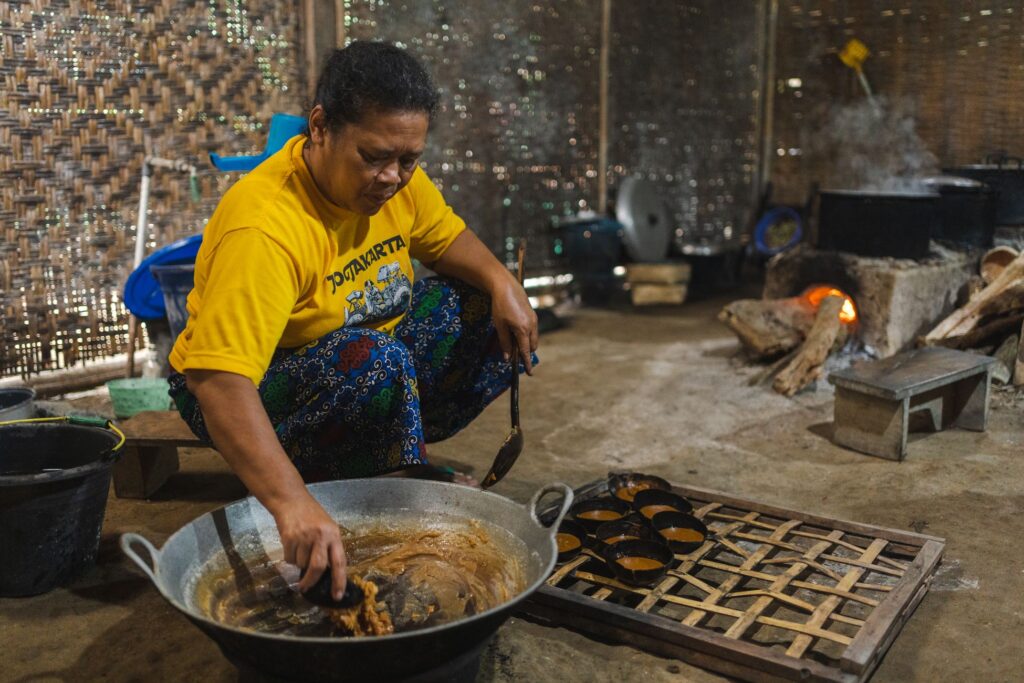
If you have ever wondered what is palm jaggery, you are looking at one of India’s oldest natural sweeteners — a rich, caramel-toned sugar tapped straight from the sap of palm trees and boiled down the traditional way, without a single chemical in sight. Unlike the sugarcane jaggery most Indian kitchens already know, palm jaggery (often called panai vellam in Tamil Nadu or karupatti in parts of South India) comes from an entirely different plant, has a distinct mineral-forward taste, and carries a lower glycemic index that makes it a smarter everyday swap for refined sugar. In this guide, we will unpack exactly how it is made, what sets it apart nutritionally, and how to bring it into your kitchen.
What is Palm Jaggery, Exactly?
Palm jaggery is an unrefined, solid or semi-solid sweetener made by boiling the sap (also called neera or toddy) collected from palm trees — usually the Palmyra palm (Borassus flabellifer) or, in some regions, the coconut palm. Farmers tap the flower buds early in the morning, collect the sweet sap in clay pots, and slow-cook it over wood fires until the moisture evaporates and the syrup crystallizes into blocks, granules, or a soft paste. No sulphur, no chemical clarifiers, no bleaching agents — just heat, time, and tradition.
This is fundamentally different from regular jaggery (gur), which is made from sugarcane juice. Palm jaggery has a deeper, almost smoky and slightly nutty flavor with mineral undertones, whereas sugarcane jaggery tends to taste sweeter and more caramel-like.
How Palm Jaggery is Made
The process has barely changed in centuries, and it is worth understanding because it explains why the final product is so nutrient-dense compared to refined sugar.
- Tapping: Skilled climbers (locally called toddy tappers) climb the palm trees before sunrise and make a small incision in the flower stalk.
- Sap collection: The sweet sap drips into earthen pots tied beneath the incision, collected twice a day.
- Filtering: Fresh sap is filtered to remove bark fragments and debris.
- Slow boiling: The sap is boiled in large open pans over a wood or biomass fire for several hours, with constant stirring to prevent burning.
- Crystallization: As moisture evaporates, the syrup thickens and is poured into molds (for blocks) or stirred vigorously to form powder or granules.
Because the process retains the natural molasses and minerals present in the sap, palm jaggery keeps far more of its original nutrient profile than centrifuged white sugar, which strips away almost everything except sucrose.
Palm Jaggery vs Regular (Sugarcane) Jaggery
People often assume all jaggery is the same, but the source plant changes the taste, texture, and nutrition profile considerably.
| Attribute | Palm Jaggery | Sugarcane Jaggery |
|---|---|---|
| Source | Palm tree sap | Sugarcane juice |
| Glycemic Index | ~35–40 (lower) | ~55–65 |
| Flavor | Nutty, smoky, mineral-forward | Sweet, caramel-like |
| Iron content | Higher | Moderate |
| Texture | Firmer, grainier blocks or powder | Softer, stickier blocks |
| Common regions | Tamil Nadu, Kerala, Andhra Pradesh, Odisha | Maharashtra, UP, Punjab, Karnataka |
If you already use our sugarcane jaggery powder for daily cooking, palm jaggery is worth keeping alongside it as a lower-GI alternative for sweetening beverages and desserts.
Nutritional Profile and Palm Gur Benefits
The palm gur benefits that keep this sweetener in demand come down to its mineral density and slower sugar release. A typical 10g serving of palm jaggery contains:
- Roughly 38 calories
- Iron — supports hemoglobin production and helps combat fatigue
- Potassium and magnesium — support muscle and nerve function
- Small amounts of B-vitamins
- Natural antioxidants from unprocessed plant compounds
Because palm jaggery is digested more slowly than refined sugar (thanks to its lower glycemic index and intact fiber-like compounds), it tends to cause a gentler rise in blood sugar. This does not mean it is “diabetic-safe” in unlimited quantities — portion control still matters — but as a swap for white sugar, the palm gur benefits are well documented in South Indian dietary traditions where it has been used medicinally for generations, especially post-partum and during winter months to build immunity.
Popular Palm Jaggery Uses in Indian Kitchens
Once you have a block or jar of palm jaggery at home, the palm jaggery uses multiply quickly. Here are the most common ways Indian households use it:
- Sweetening filter coffee and chai: A small piece dissolved in hot milk gives a distinctly earthy sweetness.
- Traditional sweets: Used in payasam, sweet pongal, and Kerala’s ada pradhaman for an authentic flavor that white sugar cannot replicate.
- Laddoos and energy bites: Palm jaggery powder blends smoothly into til laddoo and dry fruit laddoo recipes.
- Ayurvedic home remedies: Often combined with ginger or black pepper for cold-season immunity boosters.
- Baking: A 1:1 substitute for brown sugar in cookies and cakes, lending a caramel-nutty depth.
- Everyday cooking: Balances the tang in sambar, rasam, and South Indian curries the way regular jaggery does in North Indian dals.
If you enjoyed learning how to use jaggery in everyday Indian cooking, most of those same techniques apply directly to palm jaggery — just start with slightly smaller quantities since its flavor is more concentrated.
How to Choose Good Quality Palm Jaggery
Not all palm jaggery sold in the market is created equal. Keep these pointers in mind:
- Color: Genuine palm jaggery is usually golden-brown to dark brown, never bright yellow (which can indicate added color or excessive sugarcane blending).
- Texture: Should break cleanly, not feel waxy or overly sticky — waxiness can suggest paraffin adulteration used by unscrupulous sellers.
- Smell: A natural, slightly smoky, caramel aroma. A flat or chemical smell is a red flag.
- Lab testing: Reputable brands test for heavy metals, adulterants, and sulphur residue — always check for lab-tested claims on the packaging.
Our date palm jaggery and date palm jaggery are sourced directly from small-batch Palmyra farmers and lab-tested for purity, so you get the authentic taste without worrying about adulteration — the powder dissolves easily into beverages, while the cubes are ideal for snacking or slow-melting into hot dishes.
Storage and Shelf Life
Palm jaggery is hygroscopic, meaning it absorbs moisture from the air, which can make it go soft or develop mold in humid climates. To keep it fresh:
- Store in an airtight glass or steel container, away from direct sunlight
- Keep in a cool, dry pantry — refrigeration is optional but helps in coastal, humid regions
- Avoid introducing wet spoons into the container
For more detail on preventing your sweeteners from clumping or spoiling, see our guide on how to store jaggery and why it gets sticky — the same principles apply to palm jaggery, with slightly more caution needed given its higher moisture retention.
Frequently Asked Questions
Is palm jaggery healthier than regular sugarcane jaggery?
Palm jaggery generally has a lower glycemic index and a slightly higher iron and mineral content than sugarcane jaggery, making it a marginally better choice for blood sugar management. Both are far healthier than refined white sugar.
Can diabetics eat palm jaggery?
Palm jaggery has a lower GI than white sugar and sugarcane jaggery, but it still raises blood glucose. Diabetics should consume it in small, controlled quantities and consult their doctor before making it a regular part of their diet.
What does palm jaggery taste like?
It has a distinctive nutty, smoky, slightly mineral flavor — less purely sweet than sugarcane jaggery, with deeper caramel notes.
Is palm jaggery the same as coconut sugar?
No. Palm jaggery is tapped from the Palmyra or toddy palm, while coconut sugar comes specifically from coconut palm sap. They share a similar tapping process but differ in taste, texture, and regional origin.
How long does palm jaggery last once opened?
Stored properly in an airtight container in a cool, dry place, palm jaggery typically stays fresh for 6-8 months, though it is best enjoyed within a few months of opening for optimal flavor.
Can I substitute palm jaggery for white sugar in recipes?
Yes, generally in a 1:1 ratio by weight, though because palm jaggery has a stronger flavor, some cooks prefer to use slightly less and adjust to taste.
Where does the best palm jaggery come from in India?
Tamil Nadu (particularly the Tirunelveli and Thanjavur belts), Kerala, and parts of Andhra Pradesh are historically known for high-quality Palmyra palm jaggery production.
About the Author: Aakash Chaudhary is the founder of Biotag - Natural Sweeteners, working with traditional jaggery makers and small-batch farmers across India to bring lab-tested, additive-free natural sweeteners to modern Indian households.