
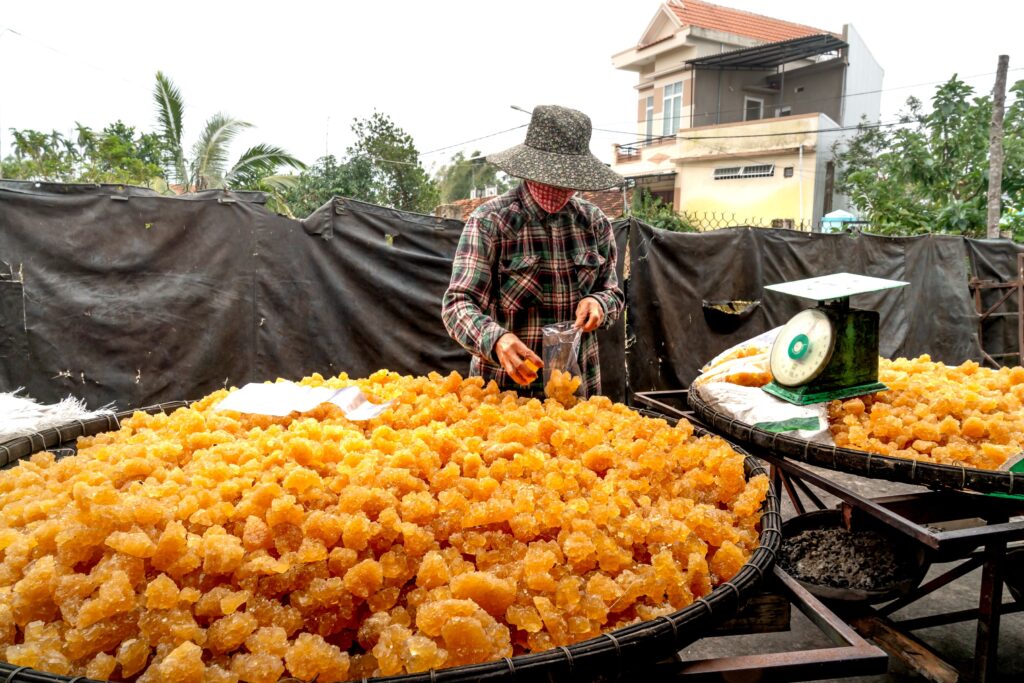
If you have ever flipped over a packet of jaggery and wondered whether anyone is actually checking what is inside it, the answer is yes — and the body doing the checking is the Food Safety and Standards Authority of India. Understanding the FSSAI natural sweetener framework matters more than most buyers realise, because it is the difference between jaggery that is genuinely pure and jaggery that has been quietly cut with chalk, starch, or raw sugar syrup. This guide walks through what FSSAI actually regulates, where jaggery and other natural sweeteners stand today, and how the rules are changing in ways that will show up on your kitchen shelf.
What Is FSSAI and Why It Regulates Sweeteners
FSSAI was set up under the Food Safety and Standards Act, 2006, as India’s single apex food regulator, replacing a patchwork of older laws. Its job is to set composition standards, licensing rules, and labelling requirements for every packaged food sold in the country — jaggery, honey, and other natural sweeteners included. For a product like jaggery, which is traditionally made in thousands of small, unorganised units across rural India, an FSSAI natural sweetener standard is what gives a buyer in Mumbai or Bengaluru any assurance that a packet labelled “pure jaggery” meets a minimum, enforceable bar.
The FSSAI Standard for Jaggery (Gur): What the Law Actually Says
Jaggery is formally covered under the Food Safety and Standards (Food Products Standards and Food Additives) Regulations, 2011, which set out composition limits for “gur or jaggery.” A 2018 amendment then carved out a separate, tighter FSSAI jaggery category specifically for cane jaggery. Here is how the two compare:
| Parameter | Original 2011 Standard (Gur/Jaggery) | 2018 Amendment (Cane Jaggery) |
|---|---|---|
| Total sugars (as invert sugar, dry basis) | Not less than 90% | Not less than 90% |
| Sucrose (dry basis) | Not less than 60% | Not less than 70% |
| Moisture | Not more than 10% | Not more than 7% |
| Reducing sugars | — | Not more than 20% |
| Sulphated ash | — | Not more than 4.0% |
| Acid-insoluble ash | — | Not more than 0.3% |
| Extraneous matter | — | Not more than 1.5% |
In plain terms, FSSAI jaggery rules exist to stop two things: jaggery diluted with water or cheap syrup (caught by the moisture and sucrose limits), and jaggery bulked up with mineral fillers like chalk or soapstone (caught by the ash and extraneous-matter limits). Separately, the Bureau of Indian Standards maintains IS 13952 for palm jaggery, which also caps sulphur dioxide — relevant because SO2 is the whitening agent some unorganised producers use to make jaggery look paler and more “appealing.”
Where Natural Sweeteners Fit Under Indian Food Law
Beyond jaggery, FSSAI’s natural sweetener regulation extends to honey (with its own purity and adulteration tests), date-based sweeteners, and newer entrants like monk fruit extract, which are typically licensed as novel or proprietary food ingredients until a dedicated standard is notified. This matters for buying decisions: a sweetener sold without any FSSAI composition standard behind it is relying entirely on the seller’s word, whereas jaggery, honey, and sugar all sit inside defined, testable limits. When you are comparing products, it is worth asking which category a sweetener actually falls under — our lab-tested mineral profile of Indian jaggery shows what a compliant product should actually contain once you move past the label.
FSSAI’s New Front-of-Pack Labelling Push — What It Means for You
The natural sweetener regulation landscape is also shifting at the labelling level. FSSAI has proposed a front-of-pack warning label system — informally called the “red hexagon” — for packaged foods that are high in added sugar, added fat, or salt, with thresholds based on the ICMR-NIN Dietary Guidelines for Indians, 2024. A separate part of the same proposal would move the existing “CONTAINS NON-CALORIC SWEETENER” declaration from the back of the pack to the front for products using artificial sweeteners. As of this writing, FSSAI has sought a transition period of at least 365 days after formal notification, so none of this is mandatory yet — but it signals where Indian food law is headed: more visible, harder-to-miss disclosure, not less. For traditional sweeteners like jaggery that carry no added sugar and no non-caloric sweeteners, this shift is a net positive, since the warning labels are aimed squarely at ultra-processed snacks and sweetened beverages.
How FSSAI Rules Protect You From Adulterated Jaggery
None of these standards enforce themselves at the point of purchase — that is still on the buyer. Adulteration remains common enough in the unorganised jaggery trade that FSSAI composition limits are only as useful as the testing behind them. If you want a practical, at-home way to check what you are buying before you even look at a lab report, our guide on how to spot adulterated jaggery covers the simple water, taste, and texture tests that catch most common fillers. A genuinely FSSAI-compliant jaggery should pass every one of them.
Lab-Tested vs FSSAI-Compliant: Why the Gap Matters
Meeting the FSSAI natural sweetener minimum is a floor, not a ceiling. “Compliant” tells you a product does not fall below the legal limit on sucrose, moisture, or ash — it does not tell you how rich that jaggery is in iron, antioxidants, or other trace minerals, which varies widely by cane variety, soil, and processing method. That gap is why batch-level lab testing matters on top of regulatory compliance. Biotag tests every batch of its jaggery powder against both the FSSAI cane jaggery standard and an internal mineral and purity panel, so the number on the pack reflects what is actually inside, not just what the law requires as a bare minimum. If you want to see what that testing looks like in practice, our breakdown of how Indian jaggery brands compare on quality walks through the same checks side by side.
How to Read an FSSAI-Compliant Label
Next time you pick up a pack of jaggery, here is what an FSSAI-compliant label should actually show you:
- FSSAI licence number — a 14-digit number printed on the pack; every legally sold food product must carry one.
- Batch number and date of manufacture — required for traceability if a batch is ever recalled or tested.
- “Gur/Jaggery” or “Cane Jaggery” category — the specific category tells you which composition standard applies.
- No undeclared colouring or whitening agents — unnaturally pale or uniformly golden jaggery is worth questioning.
- Net weight and nutritional information panel — mandatory under FSSAI’s labelling regulations.
A missing licence number or a category mismatch (for instance, cane jaggery sold without meeting the tighter 2018 limits) is a reasonable reason to put the pack back on the shelf.
Frequently Asked Questions
Is jaggery regulated by FSSAI in India?
Yes. Jaggery (gur) is covered under the Food Safety and Standards (Food Products Standards and Food Additives) Regulations, 2011, with a separate, stricter standard added for cane jaggery in 2018.
What is the minimum sucrose content allowed in FSSAI-certified jaggery?
Under the original 2011 standard, sucrose must be at least 60% on a dry-weight basis. Under the 2018 cane jaggery amendment, the minimum rises to 70%.
Does FSSAI allow sulphur dioxide in jaggery?
FSSAI’s own jaggery text does not specify a sulphur dioxide limit, but related standards — including the BIS palm jaggery standard — cap SO2 use, since it is commonly used to whiten jaggery artificially. Buyers wary of SO2 should look for jaggery with its natural brown colour rather than an unusually pale, uniform shade.
Is honey held to the same FSSAI natural sweetener standard as jaggery?
No. Honey has its own distinct composition and purity standards under FSSAI, including specific adulteration tests, separate from the gur/jaggery category that governs jaggery.
Will the new FSSAI front-of-pack warning labels apply to jaggery?
No. The proposed red-hexagon warning labels target packaged foods high in added sugar, added fat, or salt, and the separate non-caloric sweetener declaration applies only to artificial sweeteners. Plain jaggery, with no added sugar and no non-caloric sweeteners, falls outside both proposals.
How can I tell if jaggery actually meets FSSAI standards before lab testing it myself?
Check for a valid FSSAI licence number, a batch and manufacturing date, and the specific product category on the label. Beyond that, simple home checks — a water-dissolve test and a taste test — can flag common adulterants even without lab equipment.
Why does FSSAI natural sweetener regulation matter if I already trust my brand?
Even trusted brands source raw jaggery from multiple small producers, and composition can vary batch to batch. Regulatory limits plus independent lab testing together are what keep that variation within a safe, consistent range — trust in a brand name is not a substitute for either.
About the Author: Aakash Chaudhary is the founder of Biotag, working with traditional jaggery makers and small-batch farmers across India to bring lab-tested, additive-free natural sweeteners to modern Indian households.