
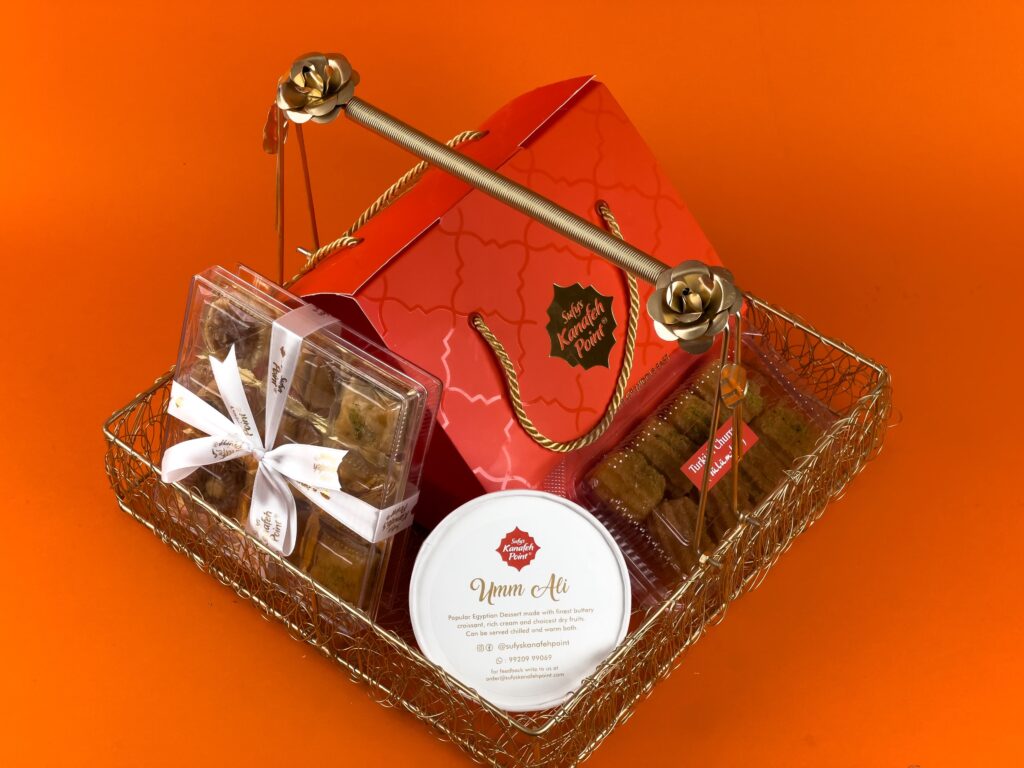
Every October, the same question comes up in Indian homes and offices alike: what do you actually send this year that doesn’t end up re-gifted or thrown out? If you’re searching for healthy Diwali gifts that feel festive without the sugar crash, you’re in good company — demand for natural sweetener hampers has grown sharply over the last two Diwali seasons as more families and companies rethink the traditional box of refined-sugar mithai. This guide walks through what makes a hamper genuinely healthy, the best options for 2026, realistic pricing, and how to avoid the common mistakes that make a “healthy” gift look like an afterthought.
Why Healthy Diwali Gifts Matter More Than Ever
Diwali gifting in India has traditionally meant boxes of besan ladoo, soan papdi, and assorted sweets loaded with refined sugar and ghee. For a festival that spans five days of eating, that adds up fast — and a growing number of recipients are diabetic, pre-diabetic, or simply trying to eat cleaner year-round. Sending healthy Diwali gifts signals that you’ve thought about the person receiving it, not just the occasion. It also solves a practical problem: unlike a box of mithai that must be eaten within days, a hamper built around jaggery, honey, and natural sweeteners has a shelf life of months, so nothing goes to waste.
This shift isn’t just anecdotal — corporate gifting teams and even traditional mithai shops now offer “healthier” lines each October. The takeaway for anyone buying this year: healthy Diwali gifts are no longer a niche choice, they’re becoming the default for thoughtful gifting.
What Actually Makes a Gift Hamper “Healthy”
Not every hamper labelled “healthy” earns the name. Before you buy, check for these markers:
- No refined sugar in the core items — jaggery, natural honey, and date-based sweeteners should replace white sugar entirely, not just reduce it.
- Traceable sourcing — look for brands that name the region or farmer collective the jaggery or honey comes from.
- Lab-tested purity — adulterated jaggery and diluted honey are common around festival season; a lab report or FSSAI certification is a good sign.
- Useful beyond the festival — a healthy gift hamper should contain things the recipient will actually use in their kitchen for months, not decorative filler.
- Honest packaging — “sugar-free” claims should be verifiable; a jaggery-based sweet is lower-GI than refined sugar, not zero-impact.
Keep this checklist handy whether you’re buying one hamper for a relative or fifty for a corporate gifting list.
The Best Healthy Diwali Gift Hamper Ideas for 2026
Here’s how the most popular healthy Diwali gift categories compare this year, based on what’s actually selling well in the natural sweetener and D2C wellness space:
| Hamper Type | Core Contents | Best For | Typical Price Range |
|---|---|---|---|
| Classic Jaggery Hamper | Jaggery powder + jaggery cubes + dry fruits | Family, elders | ₹800 – ₹1,500 |
| Honey & Jaggery Combo | Natural honey + jaggery powder + nuts | Health-conscious friends | ₹1,000 – ₹1,800 |
| Corporate Wellness Box | Jaggery cubes + honey + branded card | Clients, employees | ₹600 – ₹1,200 per unit (bulk) |
| Premium Sweetener Hamper | Full natural sweetener range + mithai made with jaggery | Close family, VIP gifting | ₹2,000 – ₹3,500 |
If you’d rather make the mithai yourself using a natural sweetener base, our guide to Diwali sweets without refined sugar has seven tested recipes that pair well with any of the hampers above.
Healthy Diwali Gifts for Family and Friends
For personal gifting, the sweet spot is a hamper that feels generous without feeling clinical. A jar of natural honey paired with a box of jaggery cubes and a handful of dry fruits reads as a proper festive gift, not a diet product. For elderly relatives, jaggery powder is often the most practical choice since it slots directly into their existing cooking — tea, kheer, and daily cooking — without requiring any change in habit. Add a handwritten card and you’ve covered the sentiment that a plain supermarket sweet box can’t.
A tip we hear often from repeat buyers: pick one “everyday use” item (jaggery powder) and one “feels special” item (natural honey or a jaggery-based sweet) for every hamper. That combination consistently outperforms single-product gifts in follow-up feedback.
Diwali Corporate Gift Hampers for Employees and Clients
Diwali corporate gift budgets have shifted noticeably toward wellness-oriented hampers over the past two years, partly because HR teams want something that photographs well for internal comms and partly because bulk buyers are more price-sensitive than individual shoppers. For a diwali corporate gift programme covering fifty or more recipients, a jaggery cubes and honey combination in a simple branded box tends to hit the right balance of cost, shelf life, and perceived value. If you’re sourcing in volume, our bulk jaggery buying guide for restaurants and caterers covers the same supplier questions — minimum order quantities, lead times, and bulk pricing — that apply to corporate gifting orders.
A well-run diwali corporate gift rollout has three decision points: per-unit budget, packaging, and delivery timeline — orders placed by early October tend to arrive on time; anything after mid-October risks last-minute courier delays.
Budget Guide: What a Healthy Gift Hamper Actually Costs
Pricing a healthy gift hamper correctly matters more than people expect — too cheap and it looks like an afterthought, too expensive and it feels excessive for a colleague or distant relative. As a rough guide for 2026:
- Under ₹500: A single jar of honey or a small jaggery powder pack — fine for casual acquaintances or junior-level corporate gifting.
- ₹800 – ₹1,500: The most common range for family and close friends — covers a 2-3 item combination hamper.
- ₹1,500 – ₹3,000: Premium hampers with multiple natural sweetener products plus dry fruits or jaggery-based mithai — typical for immediate family or key clients.
- ₹3,000+: Curated gift boxes, often custom-packed, for VIP recipients or leadership-level corporate gifting.
If budget is the main constraint, our jaggery brand comparison guide breaks down pricing across major brands so you can benchmark whether a hamper’s contents justify its price tag.
How to Pack and Present a Healthy Diwali Hamper
Presentation is where most healthy hampers lose to traditional mithai boxes — a plain plastic pouch of jaggery powder doesn’t feel festive, even if the contents are better. A few fixes that make a real difference:
- Use a rigid box or jute basket rather than a cellophane-wrapped tray — it signals quality before the box is even opened.
- Pair a jar (honey) with a solid item (jaggery cubes) for visual variety — an all-powder hamper looks flat.
- Add one “explainer” card describing why jaggery or honey replaces refined sugar — most recipients appreciate the context, especially for a first-time healthy gift.
- For corporate orders, keep branding minimal and consistent across every unit — mismatched packaging in a bulk order is the most common complaint we hear from gifting coordinators.
Mistakes to Avoid When Buying Healthy Diwali Gifts
A few recurring mistakes show up every gifting season:
- Buying on price alone. The cheapest jaggery on a marketplace is frequently cut with chalk powder or excess moisture — check for lab certification before bulk ordering.
- Treating “natural” as a blanket health claim. Jaggery and honey are lower-GI than refined sugar, but they’re still sugars — portion guidance still matters, especially for diabetic recipients.
- Ordering too late. Diwali week is the highest-demand period of the year for natural sweetener brands; stock and courier slots tighten fast after the first week of October.
- Ignoring shelf life mismatches. Pairing a long-shelf-life jaggery product with a short-shelf-life fresh sweet can mean half the gift expires while the other half is still fine.
Frequently Asked Questions
What is the best healthy Diwali gift for diabetic relatives?
A jaggery powder or jaggery cubes hamper is generally the safer choice over honey-heavy gifts, since jaggery has a comparatively lower glycaemic impact in moderate quantities. Always pair the gift with a note on portion size rather than assuming it’s unlimited.
Are jaggery and honey hampers actually sugar-free?
No — jaggery and honey are natural sugars, not sugar-free. They’re lower on the glycaemic index than refined white sugar and retain minerals that refined sugar loses in processing, which is why they’re marketed as the healthier swap, not a zero-sugar product.
How much should I budget for a corporate Diwali gift hamper?
Most diwali corporate gift programmes in 2026 are budgeting ₹600–₹1,200 per unit for bulk orders of fifty or more, scaling up for leadership-tier gifts. Confirm bulk pricing directly with your supplier, since per-unit cost usually drops significantly above 100 units.
When should I order Diwali hampers to guarantee on-time delivery?
Place orders by the first week of October for both individual and bulk corporate gifting. Courier networks get congested in the final ten days before Diwali, and bulk corporate orders in particular need extra lead time for packing and branding.
Can I mix jaggery, honey, and dry fruits in one hamper myself?
Yes — a self-assembled hamper is often cheaper and more personal than a pre-packed box. Buy the core products (jaggery powder, jaggery cubes, natural honey) individually and add dry fruits or a festive card for a hamper that still reads as thoughtfully put together.
Do healthy gift hampers cost more than traditional mithai boxes?
Not necessarily. A jaggery and honey combination hamper in the ₹800–₹1,500 range is comparable to mid-range mithai boxes, with the added benefit of a shelf life measured in months rather than days.
About the Author: Aakash Chaudhary is the founder of Biotag - Natural Sweeteners, working with traditional jaggery makers and small-batch farmers across India to bring lab-tested, additive-free natural sweeteners to modern Indian households.