
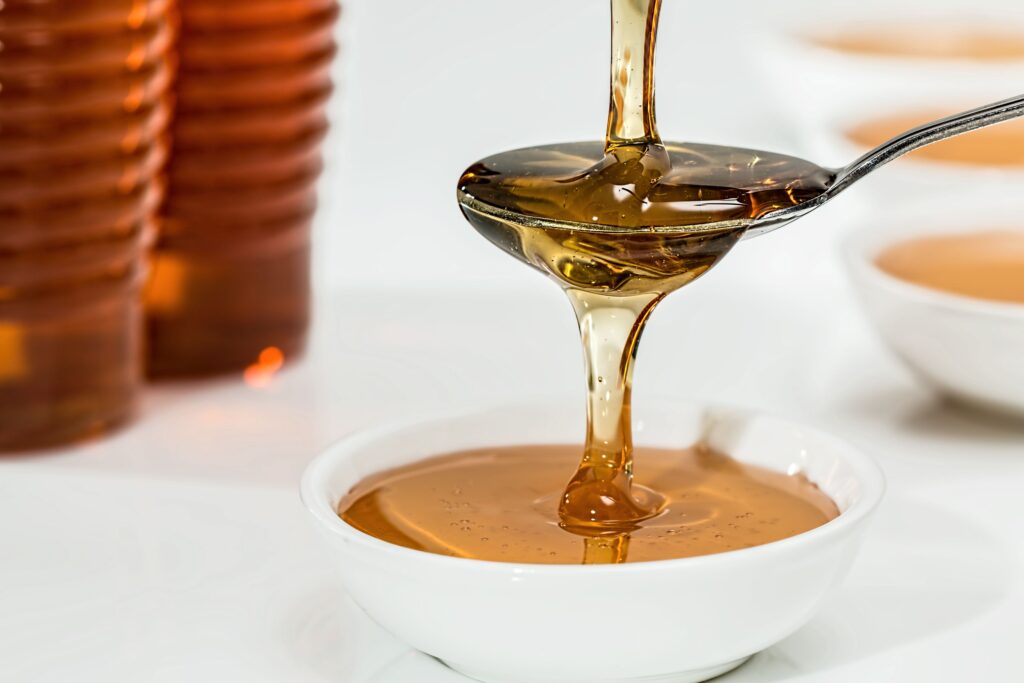
If you have been told you have insulin resistance or PCOS, one of the first questions you probably asked was: what can I still put in my tea? Choosing the right insulin resistance sweeteners is not about giving up sweetness altogether — it is about understanding which sweeteners spike blood sugar and insulin, and which ones your body can handle without triggering the cascade that makes insulin resistance worse. This guide breaks down exactly what to eat, what to limit, and how to make the switch without feeling deprived.
What Is Insulin Resistance, Exactly?
Insulin resistance happens when your cells stop responding properly to insulin, the hormone that moves glucose out of your bloodstream and into your cells for energy. Your pancreas compensates by pumping out more insulin, which works for a while — until it doesn’t. Over time, this cycle raises fasting insulin levels, contributes to weight gain (especially around the midsection), and is a major driver of type 2 diabetes, PCOS, and metabolic syndrome. Roughly 1 in 3 urban Indian adults is now estimated to have some degree of insulin resistance, often years before a diabetes diagnosis shows up on a lab report.
Why Sweetener Choice Matters for Insulin Resistance
Every time you eat something that spikes blood glucose quickly, your pancreas has to release a matching burst of insulin. Do this repeatedly, several times a day, and you are essentially exercising the exact pathway that is already struggling to work. This is why the conversation around insulin resistance sweeteners is not just about calorie counting — it is about glycemic load, insulin response, and how a sweetener behaves once it hits your bloodstream. A sweetener that is technically “natural” can still be a poor choice if it causes a sharp glucose spike, while a lower-GI option in moderation may fit comfortably into a insulin-resistance-friendly diet.
How Refined Sugar and Fast-Acting Sweeteners Worsen Insulin Resistance
White sugar, and to a lesser extent many commercial jaggery blends cut with cane sugar, are absorbed rapidly. This causes a quick glucose spike, a matching insulin surge, and — a few hours later — a crash that leaves you reaching for something sweet again. Repeated over months and years, this pattern is strongly linked to worsening insulin sensitivity. High-fructose corn syrup and refined sugar syrups behave similarly, and are frequently hidden in packaged snacks, sauces, and “healthy” granola bars marketed to Indian households.
Best Natural Sweeteners for Insulin Resistance
Not all sweeteners affect insulin the same way. The table below compares common options on glycemic index (GI) and how well-suited each is if you are managing insulin resistance.
| Sweetener | Approx. Glycemic Index | Insulin Resistance Suitability |
|---|---|---|
| White sugar | 65 | Avoid |
| Regular jaggery | 84 | Limit strictly |
| Date palm jaggery | 35-42 | Better choice, in moderation |
| Stevia (pure) | 0 | Best choice |
| Monk fruit | 0 | Best choice |
| Honey | 58-61 | Limit |
Among these, a good monk fruit blend is one of the most reliable insulin sweetener safe options because it does not raise blood glucose or trigger an insulin response at all, while still giving you the sweetness you’re used to in chai, desserts, or lemon water. Coconut sugar sits in a different category — it is not calorie-free and does contain fructose and glucose, but its lower GI compared to table sugar or regular jaggery means a smaller, slower insulin response when used in modest quantities, such as 1-2 teaspoons in a recipe rather than as a like-for-like sugar replacement.
Sweeteners to Avoid or Sharply Limit
- White refined sugar — fastest glucose and insulin spike of any common sweetener
- High-fructose corn syrup — hidden in ketchups, packaged juices, and flavoured yogurts
- Regular commercial jaggery — often cut with cane sugar, with a GI close to white sugar
- Large amounts of honey — natural, but still a fast-acting sugar in the quantities most people use
- Artificial sweeteners like aspartame in excess — some studies suggest they may alter gut bacteria involved in glucose metabolism, though evidence is still developing
Insulin Resistance and PCOS: A Special Case
If you have PCOS, insulin resistance is very likely already part of the picture — up to 70% of women with PCOS show some degree of it, even at a normal body weight. Choosing the right pcos sweetener matters even more here, because elevated insulin doesn’t just affect blood sugar; it also drives excess androgen production, which worsens PCOS symptoms like irregular cycles, acne, and hair thinning. For PCOS specifically, dietitians commonly recommend leaning almost entirely on zero-glycemic options like stevia and monk fruit, saving small amounts of coconut sugar or jaggery for occasional use rather than daily cooking, and pairing any sweetened food with protein or fibre to blunt the glucose response further.
How Much Sweetener Is Safe? Portion Guidance
“Insulin sweetener safe” doesn’t mean unlimited. Even the best low-GI options should be used with portion awareness:
- Stevia and monk fruit: generally safe in normal culinary amounts (a few servings a day), as they do not affect blood glucose
- Coconut sugar: limit to 1-2 teaspoons per serving, ideally not more than 2-3 times a day
- Jaggery (quality, lab-tested): occasional use only — a small cube with tea, not a daily habit
- Honey: treat as a treat, not a staple — 1 teaspoon occasionally rather than tablespoons daily
Pairing any sweetener with fibre, protein, or fat — for example, jaggery with roasted nuts rather than jaggery alone — slows absorption and softens the insulin response.
Simple Swaps for Everyday Indian Cooking
You don’t need to overhaul your entire kitchen overnight. Start with these common swaps:
- Chai: swap 1 teaspoon sugar for a few drops of stevia blend
- Baking: replace half the sugar in a recipe with coconut sugar, and see if you notice the difference
- Desserts: use jaggery sparingly and in combination with nuts or seeds rather than alone
- Fruit juices and shakes: skip added sweetener altogether and rely on the fruit’s natural sugars, paired with protein
For more sweetener comparisons across common Indian conditions, see our guide to the best natural sweeteners for diabetics in India and the complete glycemic index chart of Indian sweeteners, which lists GI values for jaggery, coconut sugar, honey, and more in one place.
Frequently Asked Questions
Is jaggery safe for insulin resistance?
In small, occasional amounts, quality jaggery is generally fine, but its glycemic index is close to that of white sugar, so it should not be treated as a daily “healthy sugar” if you’re managing insulin resistance. For a deeper look, read our article on whether jaggery is safe for diabetics.
What is the best sweetener for insulin resistance?
Stevia and monk fruit are typically considered the best insulin resistance sweeteners because they do not raise blood glucose or insulin levels at all, while still providing sweetness for tea, coffee, and desserts.
Can coconut sugar help with insulin resistance?
Coconut sugar has a lower glycemic index than white sugar or regular jaggery, so it causes a gentler insulin response, but it still contains sugar and calories, so portion control matters.
Is stevia a good pcos sweetener?
Yes. Because stevia does not affect blood glucose or insulin, it is one of the most PCOS-friendly sweeteners available, and it doesn’t feed the insulin-androgen cycle the way sugar does.
How much sugar should someone with insulin resistance eat per day?
Most dietitians recommend keeping added sugar well under 25 grams a day for someone managing insulin resistance, and leaning on zero-glycemic sweeteners like stevia to fill the gap.
Are artificial sweeteners safer than sugar for insulin resistance?
They don’t spike blood glucose the way sugar does, but some research suggests heavy, long-term use may affect gut bacteria involved in glucose metabolism. Natural zero-GI options like stevia and monk fruit are generally preferred.
Can I reverse insulin resistance by changing sweeteners alone?
Sweetener choice helps, but it works best alongside other changes — regular physical activity, adequate protein and fibre, and overall reduced intake of refined carbohydrates.
About the Author: Aakash Chaudhary is the founder of Biotag — Natural Sweeteners, working with traditional jaggery makers and small-batch farmers across India to bring lab-tested, additive-free natural sweeteners to modern Indian households.