
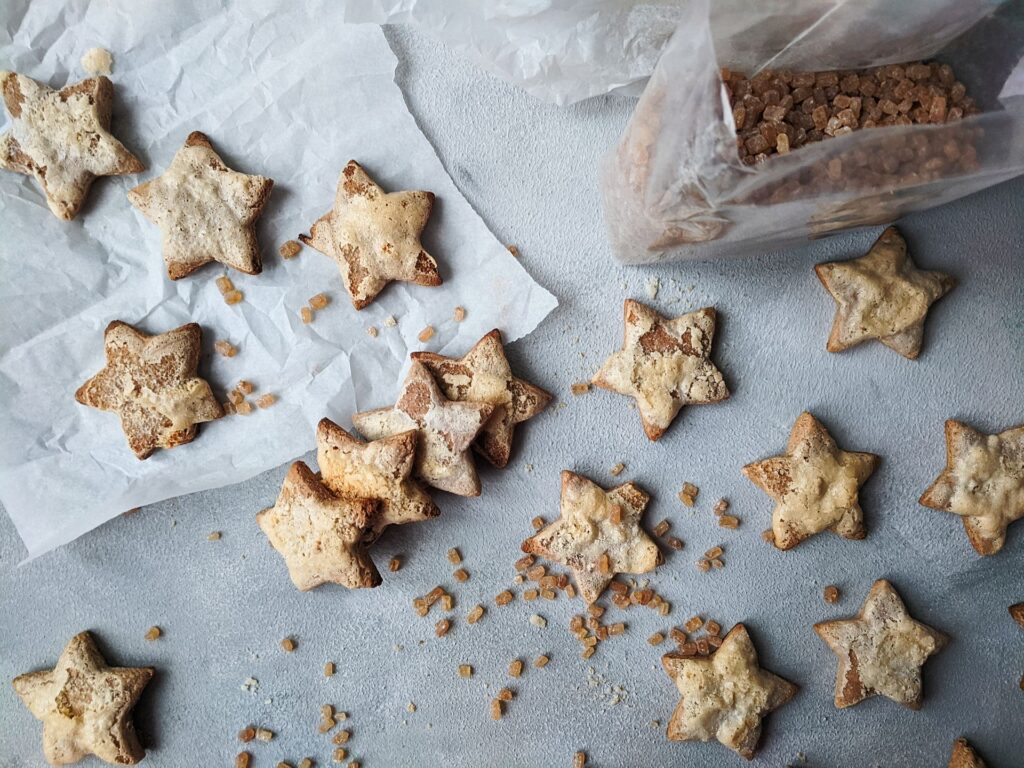
When the temperature drops across North and Central India, kitchens instinctively reach for one ingredient: jaggery. These jaggery winter recipes aren’t just nostalgic comfort food — in Ayurveda, gur is considered an “ushna” (warming) food that helps the body generate heat, ease digestion after heavy winter meals, and deliver iron and minerals exactly when cold-weather immunity needs them most. Whether you grew up on your grandmother’s til-gud laddus or you’re discovering gur-based cooking for the first time, this guide collects ten tried-and-tested jaggery winter recipes — from steaming drinks to halwas — that bring warmth to the table without a grain of refined sugar.
Why Jaggery Winter Recipes Work So Well
Unlike refined white sugar, jaggery retains the molasses, minerals, and trace iron naturally present in sugarcane or palm sap. This is exactly why winter food jaggery pairings — sesame and jaggery, ginger and jaggery, peanuts and jaggery — show up across almost every Indian regional cuisine once the mercury drops. The combination isn’t random: sesame and peanuts are calorie-dense and warming on their own, and jaggery’s iron content supports haemoglobin levels when daylight (and dietary variety) shrinks in winter. Jaggery also digests more slowly than refined sugar, which is part of why a small piece after a heavy winter meal is a genuinely old home remedy, not just a sweet habit.
If you’re new to cooking with it, start with a good jaggery powder — it dissolves faster than blocks and measures like regular sugar, which makes it easy to swap into existing recipes at a 1:1 ratio (reduce slightly, since jaggery is marginally sweeter by volume).
Warming Jaggery Drinks for Cold Mornings
Start here if you want quick wins. These three drinks are the fastest way to bring jaggery cold weather comfort into your daily routine.
- Gur Wali Chai: Swap sugar for a spoon of jaggery powder in your evening chai. Add it after the milk goes in (not while boiling water alone), or it can curdle the milk. The molasses notes pair beautifully with cardamom and ginger.
- Jaggery Hot Chocolate: A richer winter upgrade — melt jaggery into warm milk with cocoa for a deeper, caramel-forward hot chocolate. We cover the full method in our Jaggery Hot Chocolate recipe, including the right ratio so it doesn’t turn gritty.
- Ginger-Jaggery Kadha: Simmer crushed ginger, black pepper, tulsi leaves, and a knob of jaggery in water for 10 minutes. Strain and sip hot — this is the drink most Indian households reach for the moment someone sniffles.
Til-Gud Sweets: Winter’s Classic Combination
No list of jaggery winter recipes is complete without sesame. Til (sesame) and gur are eaten together across India specifically in winter — from Makar Sankranti in the north to Pongal celebrations in the south — because the pairing is calorically warming and traditionally believed to ease joint stiffness in cold weather.
- Til-Gud Laddu: Dry-roast sesame seeds, melt jaggery into a soft-ball syrup, and bind them together while warm. Roll into small balls before the mixture cools completely.
- Gajak: The flatter, brittle cousin of the laddu — sesame and jaggery syrup poured thin, cooled, and snapped into shards. A popular roadside winter snack across North India.
- Peanut-Jaggery Chikki: Swap sesame for roasted peanuts for a crunchier, protein-rich version that keeps well in an airtight jar for weeks.
For a more detailed, measured version of this category, see our Healthy Jaggery Laddu Recipe, which also works as a base method for most sesame or peanut variations.
Hearty Breakfasts with Jaggery and Date Syrup
Winter mornings call for something heavier than a quick cup of tea. These two recipes use jaggery and date syrup to build breakfasts that actually keep you warm through a cold commute.
- Gur Paratha: Stuff whole wheat dough with a mix of grated jaggery, roasted sesame, and a pinch of fennel. Pan-fry with ghee until the filling turns slightly gooey. Best eaten fresh off the tawa with a dollop of curd.
- Date Syrup Oatmeal: Cook oats in warm milk and finish with a tablespoon of date syrup, chopped walnuts, and a dusting of cinnamon. Date syrup’s deeper, caramel-molasses flavour works especially well against the nuttiness of oats and is a gentler option if you’re watching overall sweetness.
Warm Jaggery Desserts for Winter Evenings
These two desserts are built for serving warm, straight out of the kadai — they lose some of their charm once refrigerated.
- Gur Ka Halwa: A semolina or wheat-flour halwa sweetened entirely with melted jaggery and finished with ghee-roasted cashews and raisins. The darker colour and deeper flavour compared to a sugar halwa is the giveaway that jaggery is doing the work.
- Jaggery Kheer (Payasam): Rice or vermicelli simmered in milk, sweetened with jaggery syrup added off the heat (to avoid curdling), and topped with roasted coconut shavings. If you want a more detailed, step-by-step version built specifically around this technique, our Diwali Sweets Without Refined Sugar guide covers a near-identical method.
The Nutritional Case for Eating Jaggery in Winter
Beyond taste, there’s a practical reason jaggery winter recipes have stuck around for generations: winter diets in India traditionally lean on iron-rich, warming foods to offset lower sun exposure and heavier, richer meals. A tablespoon of jaggery powder contributes small but meaningful amounts of iron and magnesium compared to the same quantity of refined sugar, which contributes essentially none — one more reason winter food jaggery combinations have stayed popular for generations. It’s not a substitute for a balanced diet or medical iron supplementation, but as a sweetener choice within recipes you’re already making, it’s a straightforward upgrade. This is also why jaggery pairs so naturally with other traditionally “warming” winter foods — ginger, sesame, and ghee — rather than feeling like an isolated health swap.
Tips for Cooking with Jaggery in Winter
| Tip | Why it matters |
|---|---|
| Add jaggery off direct heat when mixing with milk | Prevents curdling in chai, kheer, and hot chocolate |
| Store jaggery powder in an airtight jar | Winter humidity in many regions causes clumping |
| Use date syrup for pourable applications | Dissolves instantly in oatmeal, pancakes, and smoothies without melting |
| Reduce quantity by roughly 10% versus sugar | Jaggery is slightly sweeter by volume in most recipes |
Frequently Asked Questions
Is jaggery actually “heating” for the body in winter?
In Ayurvedic terms, yes — jaggery cold weather pairings are classified as ushna (warming) foods, which is part of why jaggery is traditionally paired with sesame, ginger, and ghee in winter cooking. There isn’t strong clinical literature measuring this directly, but the dietary pattern is centuries old and widely practiced.
Can I use jaggery in all of these recipes if I only have jaggery cubes, not powder?
Yes — grate or melt the cubes first. Jaggery powder is simply more convenient for quick mixing into drinks and batters.
What’s the difference between using jaggery and date syrup in these recipes?
Jaggery works best where you want a granular or meltable texture (laddus, halwa, chikki). Date syrup is pourable and dissolves instantly, so it’s better suited to oatmeal, pancakes, and drinks where you don’t want to wait for anything to melt.
How much jaggery is safe to eat daily in winter?
Most nutrition guidance suggests 10-20 grams a day for a healthy adult, roughly one to two tablespoons, spread across meals rather than eaten all at once.
Do these jaggery winter recipes work for people with diabetes?
Jaggery still raises blood sugar and should be portion-controlled by diabetics, same as any sweetener. If that’s a concern, treat these as occasional recipes rather than daily ones, or consult your doctor about appropriate quantities.
Can I prep til-gud laddus and chikki in advance for the whole winter season?
Yes — both keep well for 3-4 weeks in an airtight container at room temperature, which is exactly why they’re traditionally made in large batches at the start of winter.
Why does my jaggery syrup turn grainy instead of smooth?
This usually means the syrup was overheated. Melt jaggery on low heat and remove it from the flame as soon as it’s fully liquid — prolonged boiling encourages crystallisation.
About the Author: Aakash Chaudhary is the founder of Biotag - Natural Sweeteners, working with traditional jaggery makers and small-batch farmers across India to bring lab-tested, additive-free natural sweeteners to modern Indian households.