
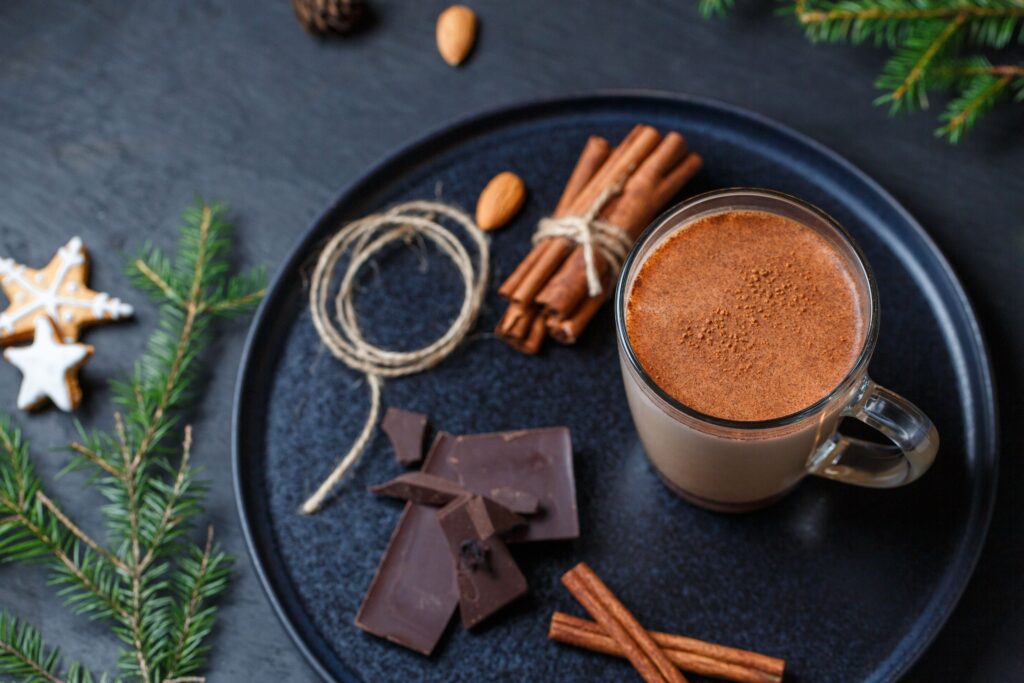
There is nothing quite like a hot mug of chocolate on a cold January evening, but the version most of us grew up with is loaded with refined sugar and little else. Jaggery hot chocolate takes the same comforting cup and rebuilds it with a natural sweetener that has been part of Indian kitchens for generations. The result is a richer, slightly caramel-edged drink that tastes indulgent while giving you minerals instead of empty calories. If you have been looking for a winter drink that feels festive without the sugar crash an hour later, this is the recipe to bookmark.
What Is Jaggery Hot Chocolate?
Jaggery hot chocolate is simply traditional hot chocolate or hot cocoa made by replacing white or brown sugar with jaggery, the unrefined sweetener pressed from sugarcane or palm sap. Unlike refined sugar, jaggery retains molasses, iron, and trace minerals, which is why it melts into milk with a deeper, almost butterscotch-like flavour instead of a flat sweetness. In many parts of India, warm milk with jaggery has always been a cold-weather staple; this recipe simply pairs that habit with cocoa for a more grown-up, dessert-like drink.
Why Jaggery Works Better in This Recipe
Cocoa itself is slightly bitter, and refined sugar’s job is only to mask that bitterness. Jaggery does more — its natural caramel notes complement the roasted flavour of cocoa rather than just sweetening it. For anyone trying to make a genuinely healthy hot chocolate, jaggery is also digested more slowly than refined sugar since it retains some fibre and minerals from the original cane juice. It is not a “zero sugar” ingredient, but gram for gram it brings more nutritional value along with the sweetness.
Ingredients You Will Need
- 2 cups full-fat milk (or oat/almond milk for a dairy-free version)
- 2 tablespoons unsweetened cocoa powder
- 2-3 tablespoons jaggery powder, adjusted to taste
- 1 tablespoon jaggery chocolate spread for extra richness (optional but recommended)
- A pinch of salt
- 1/4 teaspoon cinnamon powder (optional)
- A few strands of saffron or a pinch of nutmeg for a festive twist (optional)
Jaggery powder dissolves far more evenly into hot milk than a solid block, without leaving gritty residue at the bottom of the cup.
Step-by-Step Recipe
- Pour the milk into a saucepan and warm it over medium-low heat, stirring occasionally so it does not scorch.
- Once the milk is warm (not boiling), whisk in the cocoa powder until fully dissolved with no lumps.
- Add the jaggery powder and continue whisking. Because jaggery dissolves more slowly than white sugar, keep the heat gentle and stir for a full minute.
- Stir in the jaggery chocolate spread if using — it thickens the drink slightly and adds a fudgy depth.
- Add the pinch of salt and cinnamon, then let the mixture simmer gently for 2 minutes without letting it boil over.
- Taste and adjust jaggery to your preferred sweetness before pouring into mugs.
- Top with a light dusting of cocoa powder or a cinnamon stick and serve immediately while hot.
Recipe Variations
| Variation | What to Change | Best For |
|---|---|---|
| Vegan Jaggery Hot Chocolate | Swap milk for oat or almond milk | Dairy-free households |
| Spiced Winter Version | Add cinnamon, clove, and a pinch of black pepper | Cold evenings, sore throats |
| Kids’ Version | Reduce cocoa slightly, skip spices, add a marshmallow | Children who find dark cocoa bitter |
| Festive Version | Add saffron strands and a touch of cardamom | Diwali or winter gifting occasions |
Jaggery vs Regular Hot Chocolate: A Quick Comparison
| Aspect | Regular Hot Chocolate (White Sugar) | Jaggery Hot Chocolate |
|---|---|---|
| Sweetener | Refined white sugar | Unrefined jaggery |
| Minerals | Negligible | Contains iron, magnesium, potassium |
| Flavour profile | Sweet, flat | Sweet with caramel, molasses notes |
| Typical glycemic response | Sharper spike | Comparatively gentler due to trace fibre and minerals |
| Traditional use in India | Modern, imported habit | Rooted in generations of warm milk with jaggery |
Jaggery is still a sugar and should be used in moderation — but as a swap within an existing hot chocolate habit, it is a meaningfully better choice.
Tips for the Perfect Cup
- Never add jaggery to milk at a rolling boil — high heat can curdle dairy milk. Add it once the heat is turned down.
- Sift lumpy jaggery powder before adding for a smoother texture.
- A pinch of salt is not optional — it makes the cocoa taste rounder rather than flat.
- Store leftover jaggery powder airtight, away from moisture, so it does not clump.
Other Winter Drinks with Jaggery
If this recipe becomes a regular in your kitchen, it is worth exploring other winter drinks jaggery can transform. Our sugar-free masala chai latte recipe uses the same swap for a spiced, milky classic. For a dessert pairing, try our jaggery chocolate chip cookies or jaggery energy balls, which share the same chocolate-and-jaggery combination.
Frequently Asked Questions
Does jaggery hot chocolate taste different from regular hot chocolate?
Yes, slightly. Jaggery brings a caramel and molasses undertone that white sugar does not, so the drink tastes a little richer and less flatly sweet.
Can I use jaggery blocks instead of jaggery powder?
You can, but you will need to grate or crush the block finely first, since solid jaggery takes much longer to dissolve in hot milk and can leave gritty bits behind.
Is jaggery hot chocolate suitable for diabetics?
Jaggery has a gentler glycemic impact than refined sugar, but it still raises blood sugar. Diabetics should treat this as an occasional treat and consult their doctor for personalised advice.
How much jaggery should I use per cup?
Start with 1 to 1.5 tablespoons of jaggery powder per cup of milk and adjust to taste, since jaggery sweetness levels vary slightly by batch and source.
Can I make this vegan?
Yes. Replace dairy milk with oat, almond, or soy milk. The jaggery and cocoa flavours hold up well with any of these alternatives.
Can I prepare this in advance and reheat it?
It is best enjoyed fresh, but you can refrigerate leftovers for a day and reheat gently on low flame, stirring continuously so it does not separate.
About the Author: Aakash Chaudhary is the founder of Biotag - Natural Sweeteners, working with traditional jaggery makers and small-batch farmers across India to bring lab-tested, additive-free natural sweeteners to modern Indian households.