
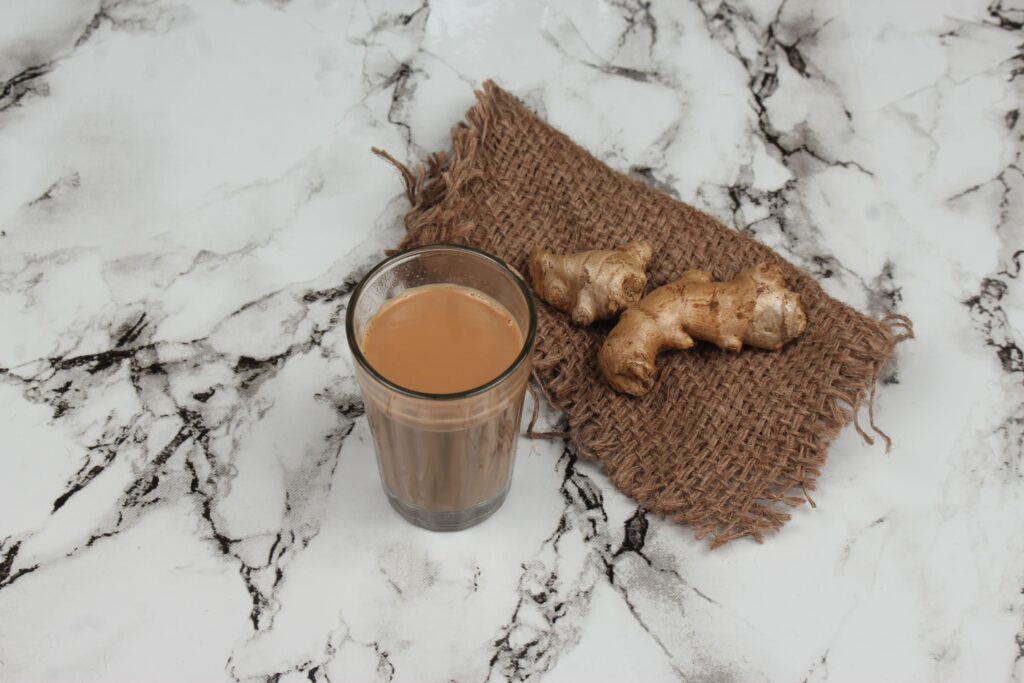
If your chai habit is quietly working against your health goals, you are not alone. A single cup of masala chai made the usual way can carry two to three teaspoons of refined sugar, and most of us drink two or three cups a day. This sugar free chai recipe keeps every bit of the spice, the milky richness, and the ritual — it simply swaps refined sugar for jaggery, so you get natural sweetness with minerals instead of empty calories. It has been quietly going viral on Indian food Instagram for exactly that reason: it tastes like the chai your grandmother made, not a “diet” substitute.
Why This Sugar Free Chai Recipe Works
Refined white sugar is stripped of everything except sucrose. Jaggery retains iron, potassium, and trace minerals from the sugarcane juice it’s made from, and has a lower glycemic index than table sugar. That means this healthy chai latte releases its sweetness more slowly, so you’re less likely to feel the 4 PM crash that follows a sugar-loaded cup. The whole spices — cardamom, ginger, cinnamon, cloves — do real work too: ginger and cardamom are both traditionally used in Ayurveda to aid digestion, which is part of why chai has always been served after meals in Indian households.
Sugar Free Chai Recipe: Ingredients (Serves 2)
| Ingredient | Quantity | Notes |
|---|---|---|
| Water | 1 cup | Filtered |
| Full-fat milk | 1 cup | Or oat/almond milk for a vegan version |
| Assam or CTC tea leaves | 2 tsp | Strong black tea works best |
| Fresh ginger | 1-inch piece, crushed | Adjust to taste |
| Green cardamom pods | 3, crushed | Lightly crush the pods, don’t powder |
| Cinnamon stick | 1-inch piece | Optional but recommended |
| Cloves | 2 | Optional |
| Jaggery, grated or in cubes | 2 tsp, or to taste | Use jaggery cubes for consistent melting |
Step-by-Step Method for This Sugar Free Chai Recipe
- Bloom the spices. In a saucepan, bring the water to a gentle boil with the crushed ginger, cardamom, cinnamon, and cloves. Let it simmer for 2 minutes so the spices release their oils.
- Add the tea. Stir in the tea leaves and let them steep in the simmering water for 2-3 minutes, until the water turns a deep reddish-brown.
- Pour in the milk. Add the milk and bring the mixture back to a gentle boil, stirring occasionally so it doesn’t catch at the bottom.
- Sweeten off the heat. Turn off the flame, then stir in the grated jaggery until it dissolves completely. Adding jaggery off the heat — rather than boiling it — helps it dissolve smoothly without curdling the milk.
- Strain and serve. Strain into cups through a fine sieve and serve hot. For a café-style finish, froth a little extra warm milk and spoon it on top.
Why Jaggery Instead of Sugar in Chai
This is where a jaggery chai latte earns its reputation. Refined sugar dissolves into a flat, one-note sweetness. Jaggery brings a faint caramel, almost smoky depth that complements the warmth of ginger and cinnamon rather than just masking the tea’s bitterness. If you’ve had chai at a roadside stall in Maharashtra or Bengal where jaggery is the default sweetener, you already know this flavour — this recipe just brings it home. Our guide to what palm jaggery is is worth a read if you want an even more mineral-forward variant.
Make It Office- and Travel-Friendly
Grating jaggery every morning before a meeting isn’t always realistic. Keeping single-serve jaggery powder sachets in your desk drawer or travel bag means you can make this same recipe at the office pantry or a hotel kettle — tear, stir, done.
Variations on This Sugar Free Chai Recipe
- Vegan chai latte: Swap dairy milk for oat or almond milk.
- Iced sugar-free chai: Make the base as above, cool, then pour over ice.
- Extra-spiced “dawa wali chai”: Add a pinch of black pepper and fresh turmeric while simmering, for a home-remedy style version.
- Deeper caramel notes: Swap the cubes for a spoon of date syrup instead.
How Much Jaggery Is Actually Healthy?
Jaggery is a natural sweetener, not a health food you can consume without limits — it’s still a form of sugar and affects blood glucose. For most healthy adults, 2-3 teaspoons a day across all food and drink (including this chai) is a reasonable ceiling. If you’re managing diabetes or insulin resistance, portion control matters even more; our detailed breakdown on how much jaggery per day is safe for diabetics walks through exact quantities and what the research says.
Common Mistakes to Avoid
| Mistake | Why It’s a Problem | Fix |
|---|---|---|
| Boiling jaggery with milk | Can cause the milk to curdle, especially with acidic jaggery | Add jaggery off the heat, after straining if needed |
| Using powdered cardamom | Turns bitter and gritty in the cup | Lightly crush whole pods instead |
| Over-boiling the tea leaves | Makes the chai taste stewed and bitter | Steep for 2-3 minutes, not longer |
| Adding too much jaggery at once | Masks the spice flavours instead of complementing them | Start with 1.5 tsp per cup and adjust |
Frequently Asked Questions
Is jaggery actually healthier than sugar in chai?
Jaggery has a lower glycemic index than refined white sugar and retains iron, potassium, and other trace minerals lost during sugar refining. It’s still sugar in terms of calories, so moderation still matters, but it’s a meaningfully better choice for daily chai.
Can I use jaggery powder instead of cubes for this recipe?
Yes. Jaggery cubes and jaggery powder both work — powder dissolves slightly faster, cubes are easier to portion by eye.
Will jaggery curdle the milk in my chai?
It can, if added while the milk is still boiling vigorously, especially with jaggery on the more acidic side. Adding it off the heat, once the flame is turned off, almost always prevents this.
How many calories does this sugar-free chai latte have?
With 2 tsp of jaggery and full-fat milk, one cup comes to roughly 90-110 calories. Switching to a plant milk or reducing the jaggery to 1 tsp brings this down further.
Can diabetics drink this chai?
In small, controlled quantities, most people managing diabetes can enjoy jaggery-sweetened chai — but this should be discussed with a doctor first. See our guide on safe jaggery quantities for diabetics for specifics.
What’s the best jaggery for chai — cubes, powder, or liquid?
Cubes and powder both work beautifully in chai and are the most traditional choice. Liquid jaggery syrup is better suited to baking or drizzling, since it can make the chai a touch thinner.
Can I make this chai latte ahead and reheat it?
It’s best fresh, since reheated milk-based chai can develop a slightly “boiled” taste. If you must make it ahead, store it refrigerated for up to a day and reheat gently without letting it boil.
About the Author: Aakash Chaudhary is the founder of Biotag — Natural Sweeteners, working with traditional jaggery makers and small-batch farmers across India to bring lab-tested, additive-free natural sweeteners to modern Indian households.