
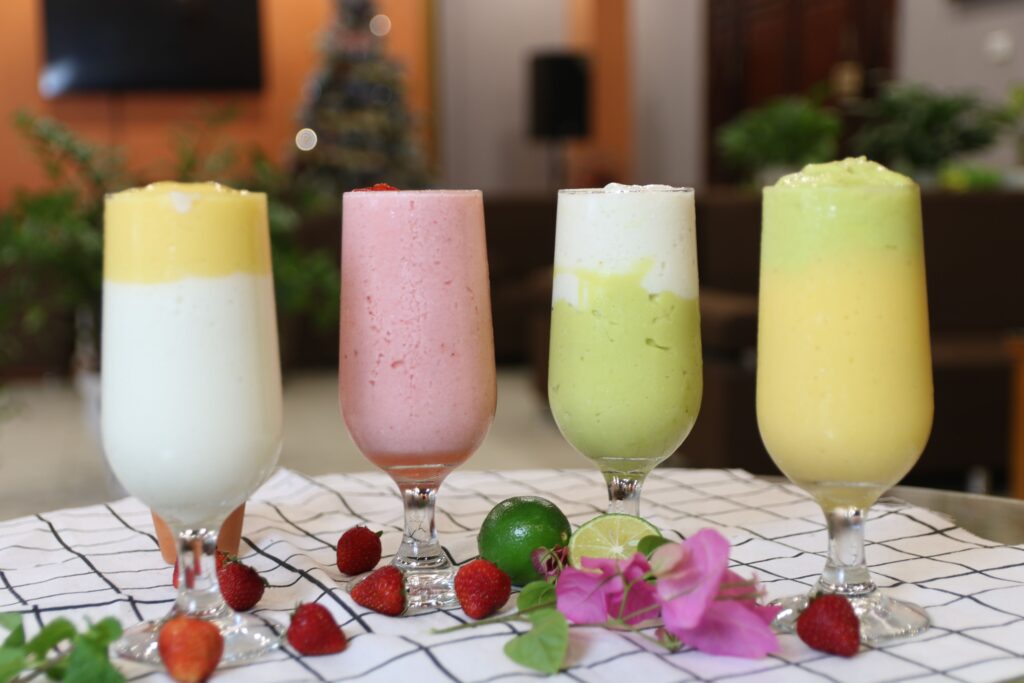
If you have ever added a spoon of white sugar to a smoothie and felt slightly guilty about it, you are not alone. The good news is that healthy smoothie sweeteners exist, and they do more than just make your drink taste better — the right natural sweetener adds minerals, supports steadier blood sugar, and works with the fruit already in your blender instead of masking it. Below are five tried-and-tested smoothie recipes built around Indian-origin natural sweeteners like date syrup, jaggery, and coconut nectar, plus the exact ratios that keep each drink balanced rather than cloying.
Why Healthy Smoothie Sweeteners Matter More Than You Think
Most people over-sweeten smoothies without realising it, because a blender hides sweetness better than a spoon does. When you use refined sugar, you get a sharp spike and an equally sharp crash thirty minutes later. Good healthy smoothie sweeteners behave differently — jaggery and date syrup carry trace iron, potassium, and B-vitamins, and their fibre and mineral content slow down how quickly the sugar hits your bloodstream. That is the real appeal of healthy smoothie recipes built around these ingredients: they taste indulgent while keeping your energy curve flat instead of jagged. It also matters which sweetener you pair with which fruit — a citrus-heavy smoothie needs a different sweetener than a chocolate or oat-based one, which is exactly what the five recipes below are built to demonstrate.
How Much Natural Sweetener to Use in a Smoothie
A common mistake is treating natural sweeteners like sugar syrup and pouring in the same quantity you would for tea. Because jaggery, date syrup, and coconut nectar are more aromatic and slightly more intense than refined sugar, you generally need 20-30% less by volume when using healthy smoothie sweeteners in place of table sugar. As a starting rule for a 300 ml single-serve smoothie:
- Very ripe fruit (banana, mango, dates) — 1 teaspoon sweetener or less
- Tart fruit (berries, citrus, green apple) — 1.5-2 teaspoons
- Leafy greens or unsweetened bases (spinach, oats, plain yogurt) — 2-2.5 teaspoons
Always add sweetener gradually and taste after blending — chilled drinks read as less sweet than they actually are, so it is easy to over-pour if you sweeten before tasting.
Recipe 1: Banana Date Smoothie
This is the smoothie to make when you want something that tastes like a milkshake but behaves like breakfast. Date syrup already carries caramel notes, so it disappears seamlessly into banana without announcing itself.
- 1 ripe banana, frozen
- 200 ml milk or oat milk
- 1 teaspoon date syrup
- 1/2 teaspoon cinnamon
- A handful of ice
Blend everything until silky. If you like a thicker, milkshake-style texture, add a second frozen banana instead of more sweetener — the extra creaminess reads as sweetness on its own.
Recipe 2: Mango Coconut Nectar Smoothie
Mango season in India barely needs added sugar, but a touch of date syrup rounds out the tang from yogurt and gives the drink a faint caramel finish that plain mango lassi does not have.
- 1 cup ripe mango chunks (fresh or frozen)
- 1/2 cup thick curd or Greek yogurt
- 1/2 teaspoon coconut nectar syrup
- 1/4 cup chilled water or coconut water
- A pinch of cardamom powder
This one doubles as a light dessert — pour it into small glasses and serve after a meal instead of a sweet dish.
Recipe 3: Berry Honey-Jaggery Protein Smoothie
Berries are one of the trickiest fruits to sweeten because their tartness fights back against most syrups. The honey-jaggery blend works well here because honey’s floral sweetness cuts through the tang while jaggery’s mineral depth keeps it from tasting one-note.
- 1 cup mixed berries (strawberry, blueberry), frozen
- 1 scoop plain or vanilla protein powder
- 200 ml almond milk
- 1.5 teaspoons honey-jaggery blend
- Ice as needed
This is the recipe to reach for post-workout — it is one of the more protein-forward entries among our healthy smoothie recipes, and the natural sweetener helps replenish glycogen without the sugar crash you’d get from a bottled recovery drink.
Recipe 4: Green Detox Smoothie with Coconut Nectar
Green smoothies are the ones people most often abandon — too grassy without enough sweetness to balance the greens. A small amount of coconut nectar syrup fixes this without turning the drink into a dessert.
- 1 cup spinach or kale
- 1/2 green apple, cored
- 1/2 cucumber
- Juice of half a lemon
- 2 teaspoons coconut nectar syrup
- 150 ml water
Blend the greens with water first until fully smooth before adding the rest — this avoids the fibrous, stringy texture that puts most people off green smoothies in the first place.
Recipe 5: Chocolate Peanut Butter Date Syrup Smoothie
Proof that a natural sweetener smoothie can taste like dessert. Date syrup and cocoa were made for each other — the same caramel-molasses notes that make dates work in energy balls do the heavy lifting here too.
- 1 frozen banana
- 1 tablespoon unsweetened cocoa powder
- 1 tablespoon peanut butter
- 200 ml milk of choice
- 1 teaspoon date syrup
If you enjoy this flavour combination, our jaggery energy balls recipe uses a similar cocoa-and-natural-sweetener pairing in a portable, no-blender format — useful for days you want the same taste without pulling out the blender.
Quick Comparison: Best Healthy Smoothie Sweeteners
| Sweetener | Best paired with | Flavour note | Typical dose (300 ml smoothie) |
|---|---|---|---|
| Date syrup | Banana, cocoa, oats | Caramel, molasses | 1 tsp |
| Coconut nectar syrup | Mango, greens, tropical fruit | Light caramel, mild | 1-2 tsp |
| Honey-jaggery blend | Berries, citrus, protein shakes | Floral with mineral depth | 1.5 tsp |
Among healthy smoothie sweeteners, these three cover almost every fruit combination you’ll want to blend. If you are new to cooking with these ingredients, our glycemic index chart of Indian sweeteners is a useful reference for comparing how each one affects blood sugar relative to table sugar.
Storage and Prep Tips for Smoothie-Ready Sweeteners
Keep date syrup and coconut nectar syrup in a cool, dry cabinet — refrigeration is not necessary and can make thick syrups harder to pour. If you batch-prep smoothie packs, add the sweetener fresh at blend time rather than freezing it with the fruit, since freezing dulls the aromatic notes. For a naturally sweet breakfast pairing, our date syrup pancakes recipe uses the same syrup from Recipe 1 and 5 above, so one bottle covers both.
Frequently Asked Questions
Which natural sweetener is best for a healthy smoothie?
It depends on the fruit base. Date syrup works best with banana and chocolate flavours, coconut nectar syrup suits tropical fruit and green smoothies, and a honey-jaggery blend balances tart fruits like berries and citrus best. Any of the three makes a good all-purpose natural sweetener smoothie base if you are just starting out.
Can I use jaggery powder directly in a smoothie instead of syrup?
Yes, though it blends more evenly if you dissolve it in a tablespoon of warm water first, since powdered jaggery can leave small undissolved granules in a cold blend.
Are natural sweeteners lower in calories than sugar?
Not significantly — gram for gram, jaggery and date syrup are close to white sugar in calories. Their advantage is lower glycemic impact and added minerals, so portion control still matters.
How do I stop my smoothie from tasting too sweet?
Start with half the sweetener the recipe suggests, blend, and taste before adding more — chilled drinks mute sweetness perception, so it is easy to think a smoothie needs more sugar than it actually does.
Can diabetics have these smoothie recipes?
Natural sweeteners still raise blood sugar and should be used in moderation by diabetics. If you are managing diabetes, keep portions small and check with your doctor on quantities — our article on how much jaggery is safe per day is a good starting reference.
Do these sweeteners change the texture of a smoothie?
Liquid syrups like date syrup and coconut nectar blend in seamlessly with no texture change. Jaggery powder can leave a very slight grain unless pre-dissolved, as noted above.
What is the healthiest base liquid to pair with these sweeteners?
Plain milk, oat milk, coconut water, or plain yogurt all work well. Avoid pairing natural sweeteners with already-sweetened plant milks or fruit juices, since the combined sugar load adds up fast.
About the Author: Aakash Chaudhary is the founder of Biotag - Natural Sweeteners, working with traditional jaggery makers and small-batch farmers across India to bring lab-tested, additive-free natural sweeteners to modern Indian households.