
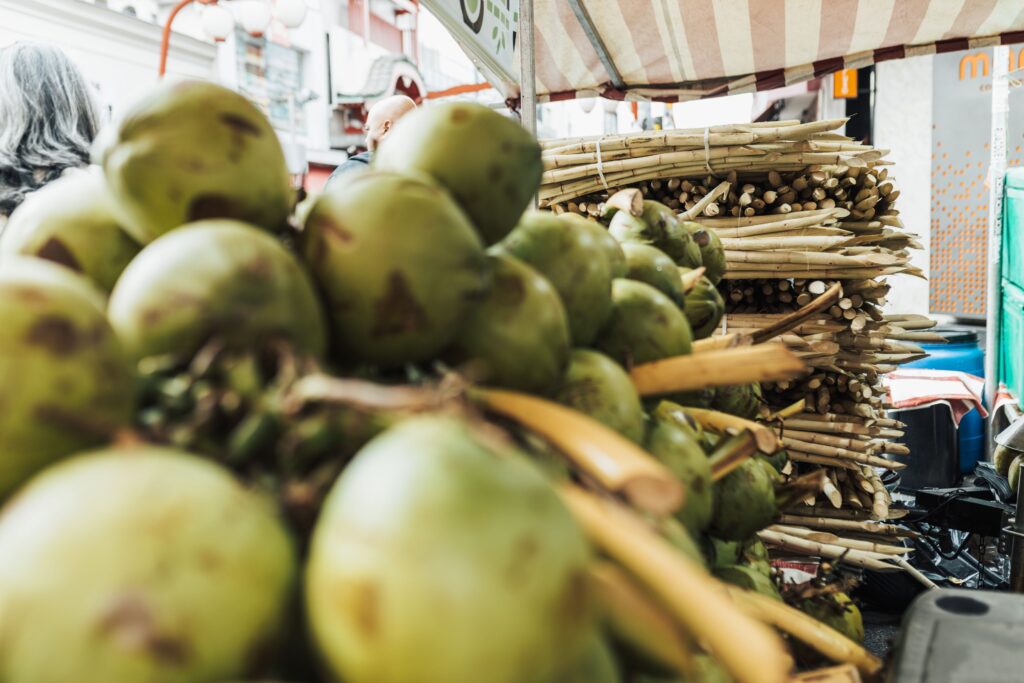
If you have started reading ingredient labels more carefully, you have probably noticed coconut sugar showing up everywhere — from artisanal chocolate bars to “healthy” baking mixes. But what is coconut sugar, really, and is it actually different from the white sugar sitting in your kitchen cabinet? The short answer: yes, significantly. Coconut sugar is a minimally processed natural sweetener made from the sap of coconut palm flower buds, and it retains nutrients and a depth of flavour that refined sugar simply does not have. This guide explains exactly what coconut sugar is, how it is made, how it compares nutritionally, and how to use it in everyday cooking.
What is Coconut Sugar, Exactly?
Coconut sugar — also called coconut palm sugar — is a granulated sweetener produced from the sap of the coconut palm tree (Cocos nucifera). Despite the name, it has nothing to do with coconut flesh or coconut milk. The sap is collected from the flower buds (the same part of the tree that produces coconuts), then boiled down until it crystallises into light brown granules that resemble raw cane sugar in appearance.
Nutritionally and structurally, coconut sugar behaves much like jaggery — both are minimally refined, retain trace minerals from the plant source, and carry a deeper, more complex sweetness than white sugar. If you have read our piece on how jaggery, coconut sugar, stevia and honey compare, you already know coconut sugar sits in the same “whole sweetener” category as jaggery, just from a different plant.
How is Coconut Sugar Made?
The production process is refreshingly simple and almost entirely manual:
- Tapping: A small cut is made in the unopened coconut flower bud, and the sweet sap (also called “toddy” or “neera”) drips slowly into a collection vessel, usually a bamboo tube or clay pot.
- Collection: Tappers climb the palms twice a day — early morning and evening — to collect fresh sap before it begins to ferment.
- Boiling: The collected sap is filtered and boiled in open pans over low to medium heat, much like the jaggery-making process, until most of the moisture evaporates.
- Crystallisation: As the syrup thickens, it is continuously stirred until it crystallises into granules, then cooled and sieved to an even, sand-like texture.
No chemical bleaching, no refining columns, no anti-caking additives — just heat and time. This is the same philosophy behind traditional jaggery production, which is why the two sweeteners are so often compared.
Coconut Sugar Nutrition: What’s Actually in It?
Coconut sugar is not a “zero calorie” or dramatically lower-calorie alternative to white sugar — both have roughly 4 calories per gram, since both are predominantly sucrose. The real difference lies in what comes along with that sweetness.
| Nutrient (per 100g) | Coconut Sugar | White Sugar |
|---|---|---|
| Calories | ~375-400 kcal | ~387 kcal |
| Sucrose | 70-79% | 99.9% |
| Potassium | ~1,030 mg | ~2 mg |
| Iron | ~2.85 mg | ~0.01 mg |
| Zinc | ~2.05 mg | Trace |
| Inulin (fibre) | Present in small amounts | None |
The small amount of inulin — a prebiotic fibre — found in coconut sugar is one reason some nutritionists consider it a gentler sweetener: fibre can slightly slow sugar absorption compared to pure sucrose. That said, coconut sugar is still sugar, and portion control matters regardless of source.
Does Coconut Sugar Have a Lower Glycemic Index?
This is one of the most repeated claims about coconut sugar, and it deserves a precise answer. Coconut sugar has a glycemic index (GI) of approximately 35-54 depending on the study and sample, compared to white sugar’s GI of around 60-65. That is a real, measurable difference — but it is not enormous, and GI values for coconut sugar vary quite a bit between sources because of differences in inulin content and testing methodology.
The honest takeaway: coconut sugar is a moderately better choice for blood sugar response than refined white sugar, but it is not a “diabetic-safe” sweetener and should still be used in moderation. If blood sugar management is a primary concern, stevia or monk fruit blends are a more reliable choice than any whole-cane or whole-palm sugar, including coconut sugar and jaggery.
Coconut Sugar vs Jaggery vs White Sugar
Since Biotag works with all three categories, here is how they stack up at a glance:
- Coconut sugar: Light caramel flavour, fine granular texture, made from palm sap. Best for baking and coffee/tea where a 1:1 white sugar substitute is needed.
- Jaggery: Richer, more robust molasses flavour, made from sugarcane (or palm) juice. Best for traditional Indian sweets, chai, and savoury-sweet cooking.
- White sugar: Neutral sweetness, zero micronutrients, fully refined. Functional but nutritionally empty.
For a deeper nutritional breakdown, our comparison of coconut sugar vs white sugar goes through the science in more detail, including how each affects insulin response.
Coconut Sugar Uses in the Kitchen
One of the best things about coconut sugar is how easily it substitutes for white sugar — generally in a simple 1:1 ratio by volume. Common coconut sugar uses include:
- Coffee and tea: Dissolves well in hot liquids and adds a subtle caramel note.
- Baking: Works beautifully in cookies, banana bread, and spice cakes where a deeper flavour is welcome.
- Marinades and glazes: Its lower moisture content helps create good caramelisation on grilled meats and vegetables.
- Granola and energy bars: A common ingredient in clean-label snack bars for natural sweetness and binding.
- Sauces: Used in many Southeast Asian cuisines (Thai, Filipino, Indonesian) as the base sweetener in savoury sauces.
If you prefer a liquid form for drinks, smoothies, or dressings, Biotag Date Syrup offers the same flavour profile in pourable form — useful anywhere granulated sugar would need to dissolve first.
How to Choose Good-Quality Coconut Sugar
Not all coconut sugar on the market is equal. Here is what to check before buying:
- Colour: Light to medium brown, similar to raw cane sugar. Very dark or very pale uniform colour can indicate blending with other sugars or additives.
- Texture: Should be dry and granular, not sticky or clumped — clumping usually means high moisture content or poor storage.
- Ingredient list: Should read “100% coconut palm sugar” with nothing else. Some cheaper brands cut coconut sugar with cane sugar or palm sugar from other sources without disclosing it clearly.
- Certifications: FSSAI compliance and lab-tested batches (like every batch of Biotag Date Palm Jaggery) give assurance against adulteration.
Storing Coconut Sugar
Coconut sugar has a long shelf life when stored correctly — typically 12-18 months unopened, and 6-12 months after opening. Keep it in an airtight container, away from moisture and direct sunlight. If it hardens slightly over time, a few seconds in a dry pan or a quick pulse in a food processor will restore its granular texture without affecting flavour.
Frequently Asked Questions
Is coconut sugar healthier than white sugar?
Coconut sugar contains trace minerals (potassium, iron, zinc) and a small amount of fibre that white sugar lacks entirely, and it has a moderately lower glycemic index. It is a marginally better choice nutritionally, but it is still sugar — both are roughly 4 calories per gram and should be consumed in moderation.
What is coconut sugar made from, if not coconuts?
It is made from the sap of coconut palm flower buds, not from coconut flesh, water, or milk. The name refers to the tree (coconut palm), not the fruit.
Can coconut sugar be used in a 1:1 ratio for white sugar?
Yes, in almost all recipes coconut sugar can replace white sugar in a 1:1 ratio by volume. Because its granules are slightly larger and less sweet-tasting gram for gram, some bakers add a small touch extra for very sweet recipes, but a direct swap works for most everyday cooking and baking.
Is coconut sugar safe for people with diabetes?
Coconut sugar has a lower glycemic index than white sugar, but it still raises blood glucose and is not considered a diabetic-safe sweetener. People managing diabetes should treat it the same way they would treat any sugar — in small, controlled amounts — and consult their doctor or dietitian for personalised guidance.
Does coconut sugar taste like coconut?
No. Despite the name, coconut sugar has a caramel, toffee-like flavour closer to brown sugar or light jaggery. It does not taste like coconut flesh or coconut milk at all.
How is coconut sugar different from coconut nectar?
They come from the same source — coconut palm sap — but coconut nectar is the liquid, unboiled or lightly reduced form, while coconut sugar is fully boiled down and crystallised into granules. Coconut nectar (like Biotag’s Coconut Nectar Syrup) works best in drinks and dressings, while coconut sugar works best wherever granulated sugar is needed.
Is coconut sugar vegan?
Yes, coconut sugar is entirely plant-based, made only from tree sap with no animal-derived processing aids, unlike some refined white sugars that historically used bone char in filtration.
About the Author: Aakash Chaudhary is the founder of Biotag - Natural Sweeteners, working with traditional jaggery makers and small-batch farmers across India to bring lab-tested, additive-free natural sweeteners to modern Indian households.