
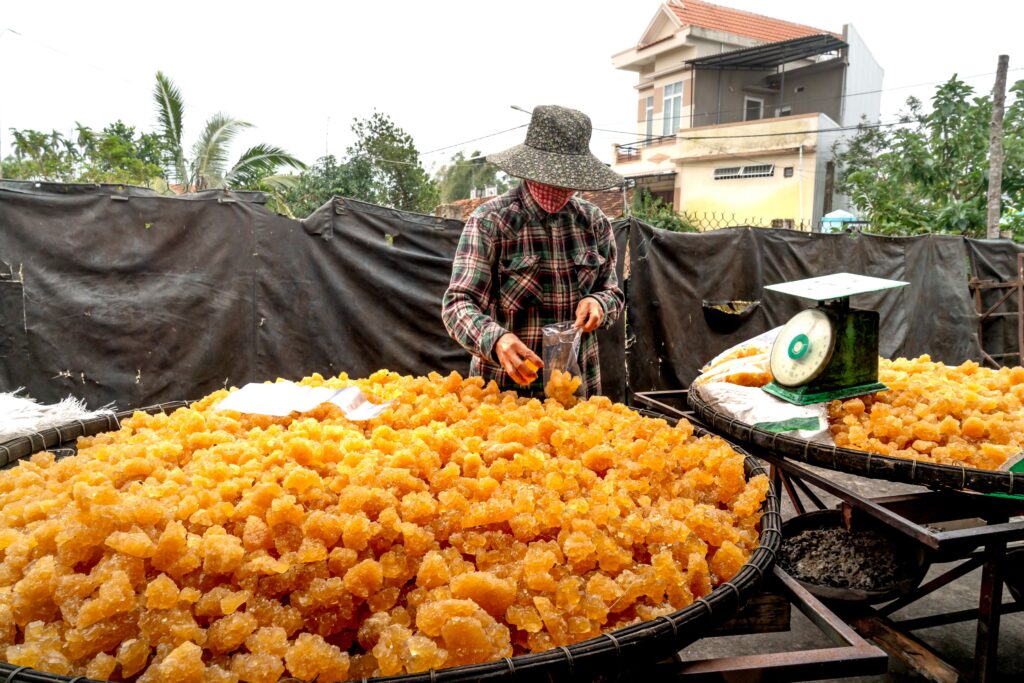
If you have been standing in the sweetener aisle wondering which pack to pick, you are not alone. Searches for the best sugar alternative India has to offer have climbed steadily over the last two years, as more households move away from refined white sugar toward options that are gentler on blood sugar, closer to their traditional roots, or simply less processed. The trouble is that “natural” is printed on almost every label, which makes the actual decision harder, not easier. This guide cuts through the marketing and compares five sweeteners — on taste, glycemic impact, price per kilo, and everyday usability — so you can pick the one that actually fits your kitchen.
Why Indian Households Are Switching Away From Refined Sugar
Refined white sugar is stripped of the molasses, minerals, and fibre that were present in the original cane juice. What is left is close to pure sucrose, which enters the bloodstream fast and offers nothing besides calories. With diabetes and pre-diabetes affecting a growing share of Indian adults, and with more families cooking with an eye on long-term health rather than just taste, the appeal of a natural sugar alternative has moved from niche to mainstream. Add to this a cultural memory — most Indian grandmothers cooked with jaggery, not refined sugar — and the shift feels less like a trend and more like a return.
What Makes a Good Sugar Substitute in an Indian Kitchen
Before comparing individual products, it helps to agree on what “best” should mean. A useful sugar substitute India cooks can rely on daily needs to succeed on four fronts:
- Taste continuity — it should not make your chai, dal, or dessert taste unfamiliar to the rest of the family.
- Glycemic impact — a lower glycemic index (GI) means a slower, gentler rise in blood sugar.
- Processing level — minimally processed options retain more of their original minerals and are free of synthetic additives.
- Cost per use — since a little of some sweeteners goes a long way, price per kilo alone can be misleading.
With those four criteria in mind, here is how the five most searched-for options compare.
Best Sugar Alternative India Options: Five Contenders, Compared
The table below lays out the essentials side by side, so you can see at a glance which best sugar alternative India shoppers are choosing fits your kitchen. Prices are indicative retail ranges as of 2026 and will vary slightly by brand and pack size.
| Sweetener | Glycemic Index | Taste Profile | Typical Use | Price Range (per 500g) |
|---|---|---|---|---|
| Jaggery Powder | ~65–85 (moderate-high) | Warm, caramel, earthy | Tea, sweets, cooking | ₹120–₹220 |
| Coconut Sugar | ~35–54 (low-moderate) | Mild caramel, less intense | Baking, coffee, desserts | ₹250–₹400 |
| Stevia Blend | ~0 (negligible) | Very sweet, slight aftertaste | Beverages, low-cal cooking | ₹350–₹600 |
| Monk Fruit Blend | ~0 (negligible) | Clean sweetness, fruity note | Baking, beverages, diabetic-friendly desserts | ₹450–₹700 |
| Refined White Sugar | ~65 (high) | Neutral, purely sweet | Everything | ₹45–₹55 |
Refined sugar is included only as a baseline — it is what every alternative above is trying to improve upon.
Jaggery Powder: The Traditional Favourite
For most Indian households, jaggery is the first and most familiar natural sugar alternative. Made by boiling down sugarcane or palm juice without separating the molasses, it retains iron, potassium, and small amounts of B vitamins that refined sugar simply does not have. Our jaggery powder dissolves easily in warm milk or tea, making it an easy one-for-one swap for households that are not ready to change their taste palate dramatically. Its glycemic index is still moderate to high, so portion control matters — it is a better choice than sugar, not a free pass for anyone managing blood sugar closely.
Coconut Sugar: The Gentle Middle Ground
Coconut sugar is made from the sap of coconut palm flowers and has a lower glycemic index than both refined sugar and jaggery, largely due to its inulin fibre content, which slows glucose absorption. We covered this comparison in detail in Coconut Sugar vs Brown Sugar: A Side-by-Side Comparison, but the short version is this: coconut sugar behaves almost exactly like brown sugar in baking, measure for measure, which makes it one of the easiest substitutions for anyone who bakes at home.
Stevia and Monk Fruit: The Zero-Calorie Options
For households actively managing diabetes or weight, plant-derived zero-calorie sweeteners are usually the most effective sugar substitute India shoppers can find. Our stevia blend is extracted from the Stevia rebaudiana leaf and has been used safely for decades, though a small minority of users notice a mild aftertaste at higher concentrations. If that aftertaste bothers you, the monk fruit blend is worth trying — it is extracted from a fruit native to southern China, has a cleaner finish, and blends particularly well in baked goods and cold beverages. If you are transitioning off sugar gradually rather than all at once, our guide on how to switch to stevia from sugar over a 30-day plan walks through a pace that keeps taste buds comfortable.
How to Choose the Best Sugar Alternative India Households Need
There is no single “best” answer — the right choice depends on why you are switching in the first place.
- If you want to keep tradition and improve nutrition slightly: choose jaggery powder. It is the closest to how Indian kitchens have sweetened food for generations.
- If you bake often and want a low-GI, easy 1:1 swap: choose coconut sugar.
- If you are managing diabetes or actively cutting calories: choose stevia or monk fruit blends, and favour monk fruit if you are sensitive to aftertaste.
- If you want to combine traditional taste with lower glycemic impact: many households now keep two jars — jaggery for chai and festive cooking, and a stevia or monk fruit blend for daily coffee or baking.
Common Mistakes When Switching Sweeteners
A few missteps show up again and again when people try a new sweetener for the first time:
- Assuming “natural” means unlimited — jaggery and coconut sugar still raise blood sugar and still carry calories; portion discipline matters regardless of the label.
- Substituting by volume instead of sweetness — stevia and monk fruit blends are far sweeter than sugar gram for gram, so a direct 1:1 swap by volume usually over-sweetens the dish.
- Buying on price alone — an unusually cheap jaggery block is a common sign of adulteration with chalk powder or added refined sugar; our piece on how to spot adulterated jaggery is worth reading before you buy in bulk.
- Expecting an instant taste match — most families take two to three weeks to stop noticing the flavour difference, especially with stevia.
Frequently Asked Questions
What is the best sugar alternative for diabetics in India?
For most diabetics, stevia and monk fruit blends are the safest choice because they have a negligible glycemic index and do not spike blood sugar. Jaggery and coconut sugar are better than refined sugar but should still be used in moderation and ideally discussed with a doctor or dietitian.
Is jaggery really healthier than white sugar?
Jaggery retains trace minerals like iron and potassium that refined sugar loses during processing, and it is metabolised slightly more slowly. However, it still has a moderate-to-high glycemic index, so it is a better choice, not a health food to consume without limits.
Which natural sugar alternative is best for baking?
Coconut sugar is the most reliable for baking because it substitutes for brown or white sugar in a simple 1:1 ratio without major changes to texture. Monk fruit blends formulated for baking also work well, though quantities usually need adjusting since they are more concentrated.
Can I use jaggery and coconut sugar interchangeably?
Mostly yes, though jaggery has a stronger, more caramel-forward flavour while coconut sugar is milder. In recipes where the sweetener’s flavour is prominent, such as tea or traditional sweets, jaggery is usually preferred; for baking where a neutral sweetness is wanted, coconut sugar tends to work better.
Is stevia safe for daily long-term use?
Yes. Stevia has been reviewed extensively by food safety authorities worldwide and is considered safe for daily consumption within normal dietary use. Some people notice a mild aftertaste at high concentrations, which is a taste preference rather than a safety concern.
What is the price difference between these sweeteners?
Jaggery powder is the most affordable of the natural options, typically ₹120–₹220 for 500g. Coconut sugar sits in the middle at ₹250–₹400. Stevia and monk fruit blends cost more per pack, ₹350–₹700, but since they are used in much smaller quantities per serving, the effective cost per cup of tea or coffee is often comparable.
How do I start switching without shocking my family’s taste buds?
Start by replacing sugar in one meal or beverage at a time rather than all at once — chai is usually the easiest starting point with jaggery, and coffee or baking is the easiest starting point with coconut sugar or monk fruit. Gradually increasing the ratio over two to three weeks, as outlined in our stevia transition guide, helps the switch feel natural rather than sudden.
About the Author: Aakash Chaudhary is the founder of Biotag — Natural Sweeteners, working with traditional jaggery makers and small-batch farmers across India to bring lab-tested, additive-free natural sweeteners to modern Indian households.