
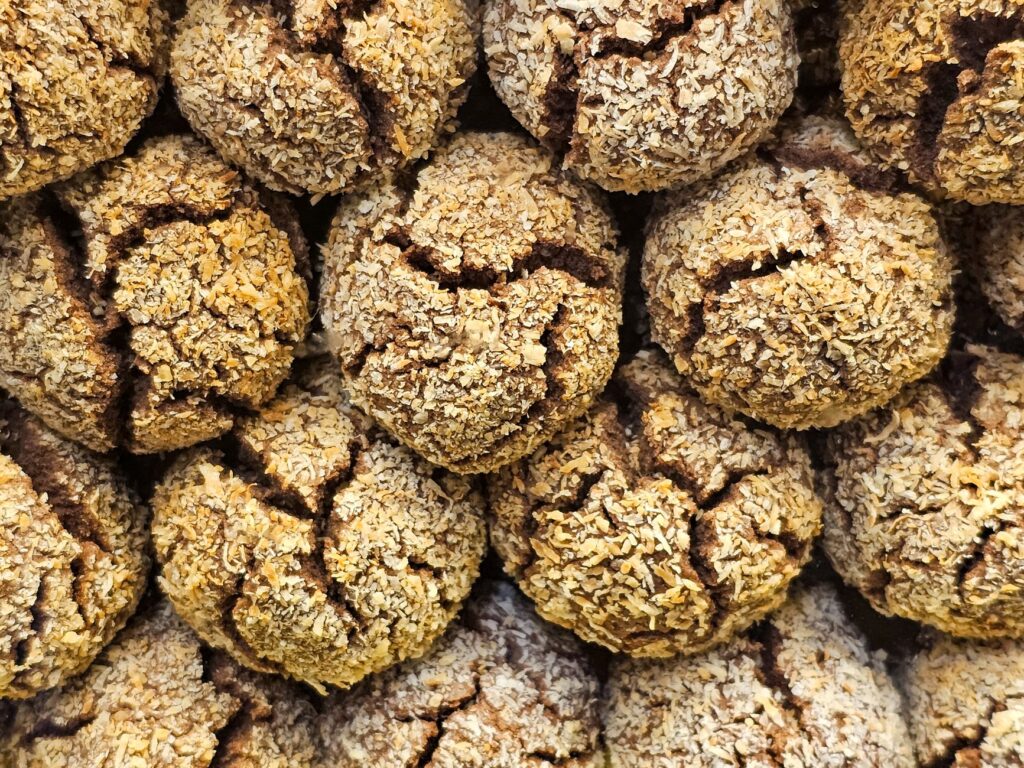
If you are standing in the sweetener aisle wondering about coconut sugar vs brown sugar, you are not alone. Both are golden-brown, both look “less processed” than white sugar, and both promise a richer taste. But they come from very different plants, are made very differently, and behave differently in your kitchen and your body. This side-by-side comparison gives you the facts, with a clear verdict at the end.
What Is Coconut Sugar?
Coconut sugar is made from the sap of the coconut palm flower. Farmers tap the blossom, collect the sap, and gently heat it until the water evaporates. What remains is a granulated, caramel-coloured sugar. In Kerala, Tamil Nadu and Karnataka, coconut palm sap has been turned into sweeteners for generations, much like traditional jaggery. Because it is minimally processed, it keeps small amounts of minerals such as potassium, zinc and iron, along with a fibre called inulin.
What Is Brown Sugar?
Most brown sugar sold in India is simply refined white sugar with molasses added back for colour and flavour. Sugarcane juice is fully refined into white crystals first, and molasses is then sprayed on. That means the “natural” look is often cosmetic. Unrefined cane sugar exists, but ordinary supermarket brown sugar is usually a brown sugar replacement only in colour, not in nutrition.
Side-by-Side Comparison Table
| Factor | Coconut Sugar | Brown Sugar |
|---|---|---|
| Source | Coconut palm flower sap | Sugarcane (refined, molasses added) |
| Processing | Sap heated and dried | Fully refined, then coloured |
| Calories per teaspoon | About 15 to 20 | About 17 to 20 |
| Glycemic index | Around 35 to 54 (varies by study) | Around 64 to 65 |
| Trace nutrients | Potassium, iron, zinc, inulin | Minimal calcium and iron from molasses |
| Flavour | Mild caramel, slightly toffee-like | Sweet with a molasses note |
| Typical price in India | Higher | Lower |
Nutrition and Glycemic Index
Calorie-wise, the two are almost identical, so neither is a weight-loss tool. The real difference is the glycemic index (GI). Coconut sugar tests lower on most published measurements, partly because of its inulin content, which slows glucose absorption. Brown sugar behaves much like white sugar in your bloodstream.
That said, a lower GI does not make coconut sugar a free pass. It is still sugar. If you manage blood sugar, treat it as a slightly better swap rather than a health food, and keep portions small. Our guide on the real cost of refined sugar explains why the swap matters over years, not days.
Taste and Texture
Coconut sugar has a soft caramel flavour with a hint of toffee. It does not taste like coconut at all, which surprises many first-time buyers. Its crystals are a little finer and drier than brown sugar, which is moist and clumpy thanks to molasses. In chai, filter coffee and porridge, coconut sugar dissolves cleanly and adds a rounded sweetness.
Baking and Cooking Performance
If you want a coconut sugar substitute for brown sugar in recipes, the good news is that it swaps one-to-one in most cases. Keep these tips in mind:
- Cookies and muffins: Use a 1:1 swap. Expect slightly crisper edges because coconut sugar is drier.
- Cakes and banana bread: Add a tablespoon of milk or curd if the batter looks thick. Try it in our banana bread with coconut sugar.
- Sauces and marinades: Works beautifully in tamarind, teriyaki and barbecue glazes.
- Meringues and delicate sponges: Stick to white sugar, as coconut sugar’s colour and moisture can interfere.
Going the other way, brown sugar is a workable brown sugar replacement for coconut sugar, but the result will be a touch moister and more molasses-forward.
Sustainability and Sourcing
Coconut palms are perennial trees that keep producing sap for years without replanting, and they grow well alongside other crops. Sugarcane, by contrast, is a water-hungry annual crop that is often burned after harvest in some regions. Coconut sugar therefore has a gentler footprint, and it supports smallholder tappers in coastal India. When comparing coconut sugar vs brown sugar, sourcing is worth a thought alongside nutrition.
Common Mistakes to Avoid
- Assuming “brown” always means unrefined. Check the label for the word “refined” or “molasses added”.
- Using more coconut sugar because it feels healthier. Portion size matters more than the type of sugar.
- Buying blended products. Genuine coconut sugar lists only one ingredient.
- Storing it open. Both sugars harden in humidity, so keep them in an airtight jar.
Cost and Availability in India
Brown sugar costs far less, often a third of the price per kilo. Coconut sugar is pricier because tapping sap is labour-intensive and yields are small. Prices vary widely between brands, so read our coconut sugar price comparison before you buy. Look for products with a single ingredient on the label and no added cane sugar, which some cheaper brands quietly blend in.
Which Should You Choose?
- Choose coconut sugar if you want a less refined sweetener with trace minerals and a lower glycemic response for daily tea, coffee and baking.
- Choose brown sugar if budget matters most and you use sugar rarely, mainly for its flavour in certain recipes.
- Consider jaggery too. Traditional jaggery is another unrefined option with iron and a deep flavour; see our best jaggery brands guide.
For everyday Indian cooking, this matters. A spoonful in your morning chai, a tablespoon in halwa or a cup in a cake adds up across a week. Choosing coconut sugar over brown sugar for the most frequent uses, and saving cheaper brown sugar for occasional recipes, is a practical middle path that balances your budget and your health goals.
Whichever you pick, moderation matters. The World Health Organization suggests keeping free sugars under 10 percent of daily calories.
Frequently Asked Questions
Is coconut sugar healthier than brown sugar?
Slightly. It is less processed, has a lower glycemic index and offers trace minerals. It is still sugar and should be used in moderation.
Can I replace brown sugar with coconut sugar one-to-one?
Yes, in most recipes. Baked goods may turn out a little drier, so add a splash of liquid if needed.
Does coconut sugar taste like coconut?
No. It tastes like mild caramel with a toffee note.
Is coconut sugar safe for diabetics?
It has a lower glycemic index than brown sugar but still raises blood glucose. People with diabetes should check with their doctor and keep portions small.
Why is coconut sugar more expensive?
Sap collection is manual and each palm yields little, so production costs are higher than mass-refined cane sugar.
Does brown sugar have more nutrients than white sugar?
Only trivially. The molasses adds tiny amounts of calcium and iron, but not enough to matter nutritionally.
About the Author: Aakash Chaudhary is the founder of Biotag, working with traditional jaggery makers and small-batch farmers across India to bring lab-tested, additive-free natural sweeteners to modern Indian households.