
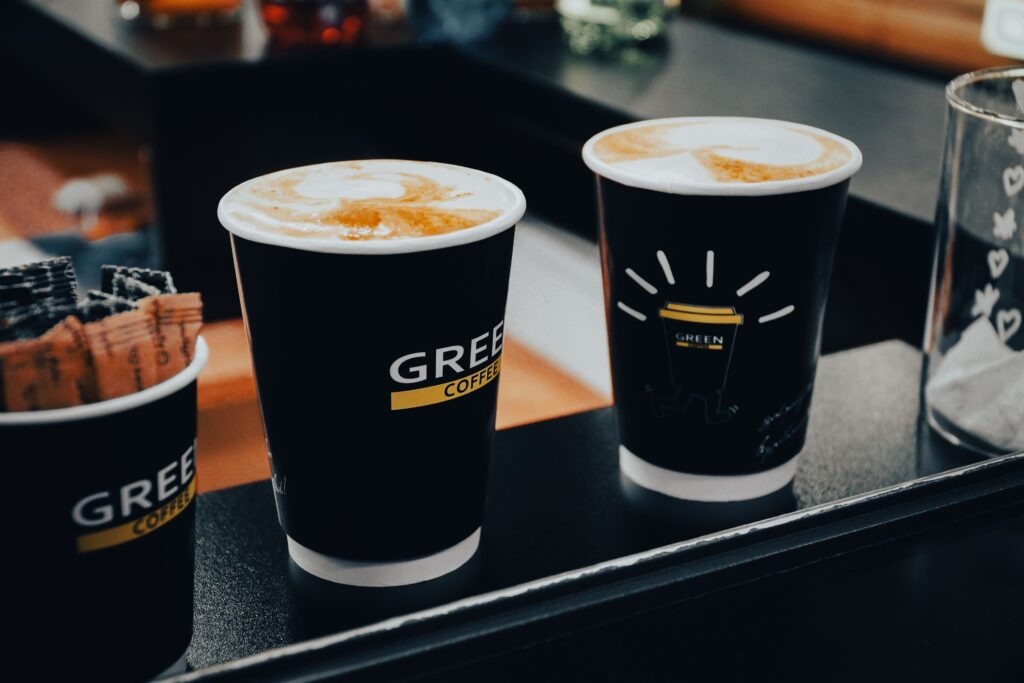
If you run a café in India in 2026, your customers are already asking about sugar before they ask about your Wi-Fi password. Diabetes-conscious regulars, gym-goers tracking macros, and a growing wellness crowd are quietly steering orders toward “less sweet” or “no sugar, please.” This is exactly why natural sweetener cafes are becoming the norm rather than the exception across Bengaluru, Mumbai, and Delhi’s specialty coffee scene. Switching your counter sugar bowl for jaggery-based sachets, tablets, or coconut sugar isn’t just a health trend — it’s a genuine differentiator that shows up in reviews, repeat visits, and Instagram tags. This guide walks café owners and baristas through exactly how to make that switch without slowing down service or blowing up costs.
Why Natural Sweetener Cafes Are Becoming the Norm in India
The shift toward cafe sweetener india buyers are choosing today didn’t happen overnight. India now has over 100 million people living with diabetes or prediabetes, and a large share of them are exactly the urban, disposable-income customers who frequent cafes daily. When a regular can’t find a sugar alternative on your counter, they either skip the visit or bring their own sachet — neither is good for your brand. Add to this the broader shift away from refined coffee shop sugar in favour of traceable, minimally processed ingredients, and the business case writes itself: cafes that stock a visible natural sweetener option are seen as more thoughtful, more premium, and more in tune with what modern Indian consumers actually want.
What Actually Counts as a Natural Sweetener for Cafes
Not everything marketed as “natural” belongs on a café counter. For a working definition that holds up to a curious customer’s questions, a natural sweetener should be minimally processed, free of artificial additives, and traceable back to a real crop — sugarcane jaggery, coconut palm sap, or a plant extract like stevia. This rules out most “brown sugar” and “demerara” products, which are frequently just refined white sugar with molasses colouring added back in. Genuine coconut sugar retains inulin fibre and a lower glycemic profile than table sugar, while jaggery-derived sachets carry trace minerals that refined sugar strips out entirely during processing.
Sachets vs Tablets vs Bulk Coconut Sugar: Which Format Fits Your Counter
Format matters more than most café owners expect — it decides whether staff actually reach for the natural option during a rush, or quietly default back to the sugar dispenser.
| Format | Best for | Dosing speed | Shelf life |
|---|---|---|---|
| Coffee sweetener sachets | Dine-in coffee, self-serve counters | Fast, pre-measured | 12+ months |
| Sweetener tablets | Takeaway cups, delivery orders | Fastest, no spillage | 18+ months |
| Bulk coconut sugar | Batch brewing, baked goods, filter coffee | Moderate, needs a scoop/shaker | 9–12 months |
High-footfall cafes running a quick-service counter usually do best with sachets or tablets — they eliminate the “how much is a spoon” guesswork that slows down a barista during peak hours. Cafes with a filter-coffee or south Indian menu, where sweetness is mixed into the vessel rather than the cup, tend to prefer bulk coconut sugar for cost efficiency at volume.
Cost Per Cup: Doing the Math for Your Cafe
Owners often assume natural sweeteners are prohibitively expensive compared to commodity white sugar. In practice, the per-cup delta is smaller than the price-per-kilo comparison suggests, because natural sweeteners are typically used in slightly smaller quantities due to their intensity and moisture content.
| Sweetener | Approx. cost per 100 cups | Perceived value add |
|---|---|---|
| Refined white sugar | Lowest baseline | None — expected default |
| Coconut sugar (bulk) | +15–25% over sugar | Moderate — health-conscious segment |
| Coffee sweetener sachets | +30–40% over sugar | High — premium, convenience-driven |
| Sweetener tablets | +25–35% over sugar | High — travel and delivery friendly |
Most cafes recover this delta easily by either building it into the base price of specialty drinks or offering it as a free upgrade that becomes a talking point — “we use natural sweeteners, no refined sugar” is a line that shows up in Google reviews far more often than owners expect, which drives new footfall at effectively zero marketing cost. It’s one of the cheapest positioning wins available to any cafe sweetener india operator looking to stand out from chain competitors.
Customer Experience: Taste, Solubility, and Speed at the Counter
The single biggest reason cafes abandon a natural sweetener switch mid-way is a bad first impression — usually undissolved granules sitting at the bottom of an iced drink, or a molasses aftertaste customers weren’t warned about. A few operational fixes solve almost all of this:
- Use sachets or tablets for cold beverages, since coarse coconut sugar dissolves poorly below room temperature.
- Brief staff to stir for at least 10 seconds longer than they would with white sugar.
- Offer a small taste sample the first time a regular orders — jaggery-based sweeteners have a distinct caramel note that most people enjoy once they expect it, but dislike if it surprises them.
Cafes that skip this onboarding step often see one round of customer pushback and quietly revert to sugar. Cafes that manage the transition with a little staff training rarely go back.
Sourcing in Bulk: What to Ask Your Supplier
Once you’ve decided on a format, sourcing reliably is the next hurdle — a stockout during a weekend rush is worse than never switching at all. Before signing with any supplier, confirm:
- Minimum order quantities and whether they scale down for a single-outlet café versus a multi-location chain
- Batch-level lab testing for adulteration — a real concern with commodity jaggery, as covered in our guide on how to spot adulterated jaggery
- Delivery lead times and whether the supplier offers a subscription or standing order
- Certifications if you’re marketing the switch as “organic” — see our breakdown on where to buy organic jaggery online for what documentation to actually ask for
If you’re scaling across multiple outlets or supplying a central kitchen, our dedicated piece on bulk jaggery buying for restaurants and caterers covers volume pricing and logistics in more depth than we can here.
Menu and Marketing: Turning Your Sweetener Choice Into a Selling Point
Replacing plain coffee shop sugar is wasted if customers never notice it. Small, low-cost signals do most of the work: a one-line footnote on the menu (“sweetened with natural jaggery and coconut sugar, no refined sugar used”), a card at the billing counter, or a staff prompt when a customer orders anything sweetened. Cafes that have made this switch report that it becomes a genuine point of differentiation against chain competitors still running on commodity white sugar — especially with the health-aware, Instagram-active customer base that decides where to work from for a few hours on a weekday.
A Simple Switch-Over Plan for Your Cafe
- Pick one format (sachets, tablets, or bulk coconut sugar) based on your counter workflow, not just price.
- Order a trial batch and run it for two weeks on a single station before rolling it out cafe-wide.
- Train staff on dosing and stirring time — this single step prevents most customer complaints.
- Add a one-line mention to your menu or table cards once the trial period is complete.
- Lock in a standing bulk order once you know your weekly consumption, to avoid running short during peak hours.
Most cafes that follow this sequence complete the full transition within a month, with minimal disruption to service speed.
Frequently Asked Questions
Is switching to a natural sweetener cafes trend actually worth the cost for a small café?
Yes, in most cases. The cost delta per cup is modest, and the goodwill and repeat visits from health-conscious regulars typically offset it within the first few weeks, especially once you start mentioning it on your menu.
Which natural sweetener dissolves best in cold coffee and iced drinks?
Sachets and tablets dissolve far better than coarse coconut sugar in cold beverages. If you serve a lot of iced coffee or cold brew, stock sachets specifically for that station.
Do I need to change my entire menu to switch sweeteners?
No. Most cafes start with a single station — usually the counter sugar bowl or the takeaway station — and expand once staff and customers are comfortable with the change.
How do I explain the switch to regular customers without sounding like a price hike?
Frame it around health and traceability rather than cost. A simple note like “we’ve switched to natural jaggery and coconut sugar, no refined sugar” reads as an upgrade, not a markup.
Are sweetener tablets more expensive than sachets for a cafe?
They’re broadly comparable, with tablets often coming in slightly higher per unit but eliminating spillage and packaging waste, which matters more for delivery and takeaway-heavy cafes.
Can I mix formats — sachets at the counter and bulk coconut sugar in the kitchen?
Absolutely, and many cafes do exactly this. Use the fast, mess-free format for customer-facing service and bulk coconut sugar for batch brewing or baking where cost efficiency matters more than convenience.
Will a natural sweetener change the taste of my signature drinks?
Slightly — jaggery-based sweeteners bring a mild caramel note. Most customers respond well once they know to expect it, so a brief mention when introducing the change helps avoid surprise.
About the Author: Aakash Chaudhary is the founder of Biotag - Natural Sweeteners, working with traditional jaggery makers and small-batch farmers across India to bring lab-tested, additive-free natural sweeteners to modern Indian households.